


Spine Plus Blog
Back Pain and MRI-Led Therapy
Published: 1 December 2015

Back pain affects around 80% of people at some point and costs businesses significant sums through lost work hours. Yet many patients struggle to know where to start: GP, physiotherapist, osteopath, chiropractor, or surgeon.
The Problem with Generic Treatment
Treatment efficacy for back pain varies significantly from person to person, and much of this comes down to whether the treatment is addressing the actual cause. Without knowing what's driving someone's pain at a structural level, treatment is partly educated guesswork.
What MRI Adds
Modern MRI scans reveal internal spinal structures invisible on X-rays or physical examination: disc protrusions, annular tears, Modic changes, facet arthritis, nerve root compression. Surgeons use MRI routinely, though 80 to 90% of patients who see them don't actually need surgery.
Physical therapists assess movement and function through hands-on evaluation, valuable information that surgeons typically don't provide. But most therapists receive minimal training in interpreting MRI images, meaning they miss critical structural information about whether specific treatments will help or harm a particular patient.
The Spine Plus Difference
Spine Plus practitioners are trained to interpret spinal MRI scans and combine imaging analysis with hands-on assessment. This means:
- Treatment is targeted at the specific structural cause, not a general presentation
- Harmful treatments (e.g. manipulation at unstable segments) are avoided
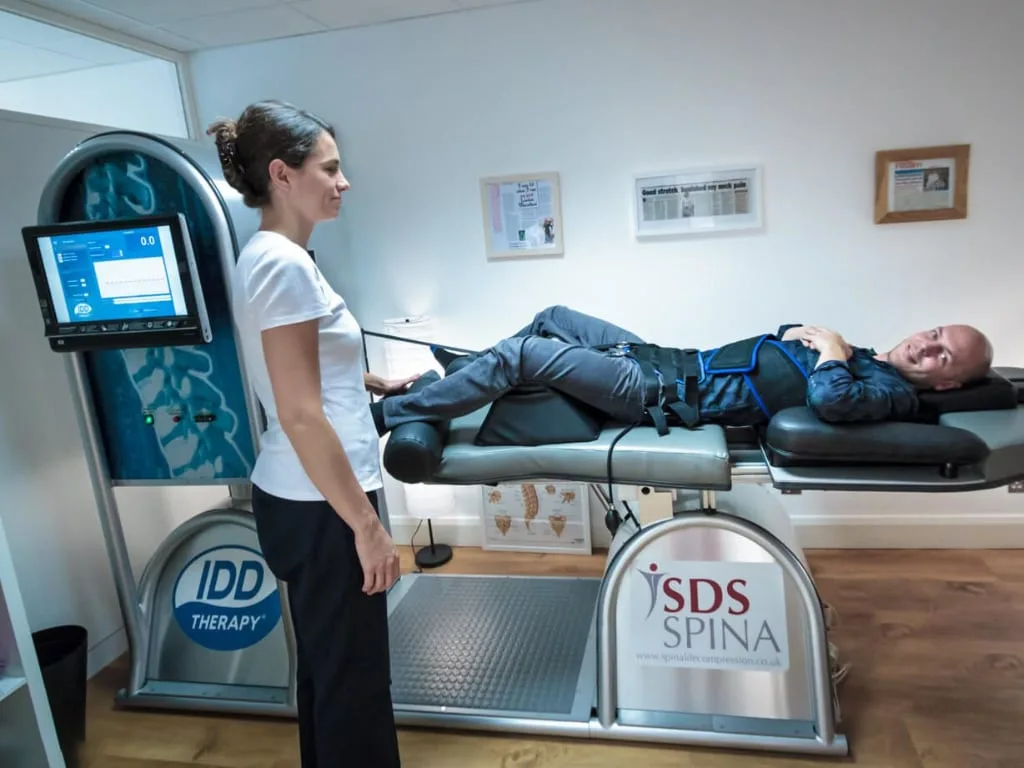
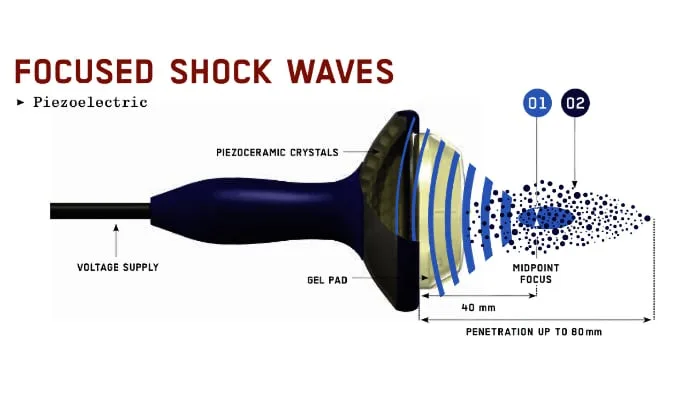
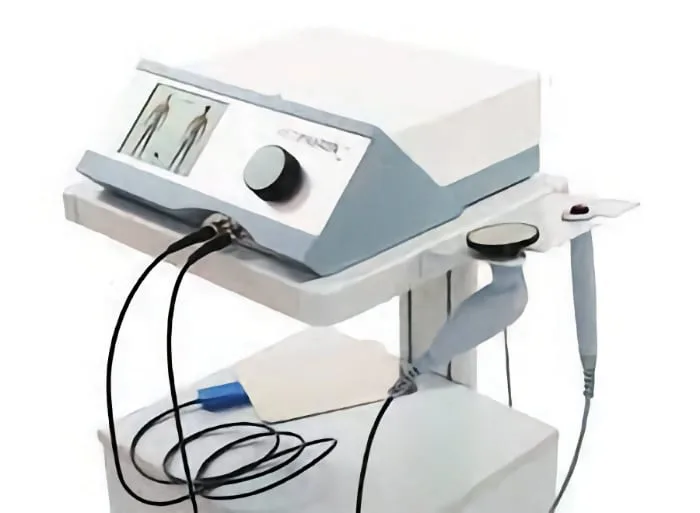
- The most appropriate specialist technologies (IDD Therapy, TECAR, shockwave) are selected based on what the imaging shows
- Surgical referrals are made at the right time, to the right specialist
Call us on 020 8506 1000 to discuss an MRI-led assessment for your back pain.