



Tension Headaches
Do you suffer with a foggy head or frequent nagging headaches over the front, side or back of your head?

Tension headaches are very common and are often caused by overly tense muscles in the scalp, neck and shoulders. We receive numerous referrals from neurologists for this type of headache, sometimes referred to as "cervicogenic headache" when the primary cause is the cervical spine and surrounding musculature.
If you have been told your headaches are tension-type, or if they seem to originate in the neck and shoulders, there is a good chance we can help. We would expect to see significant improvements within 1 to 3 sessions.
How Tension Headaches Develop
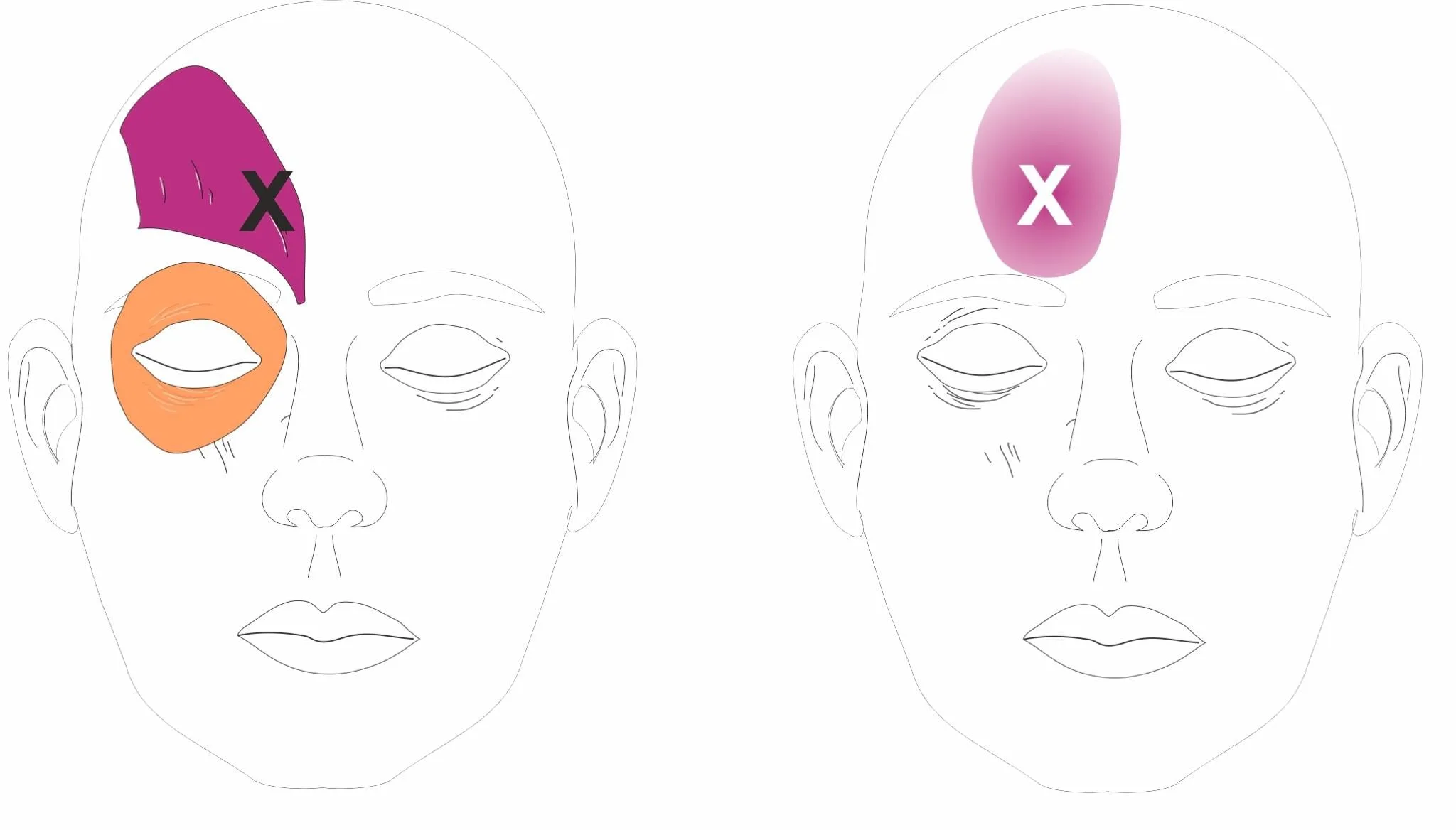
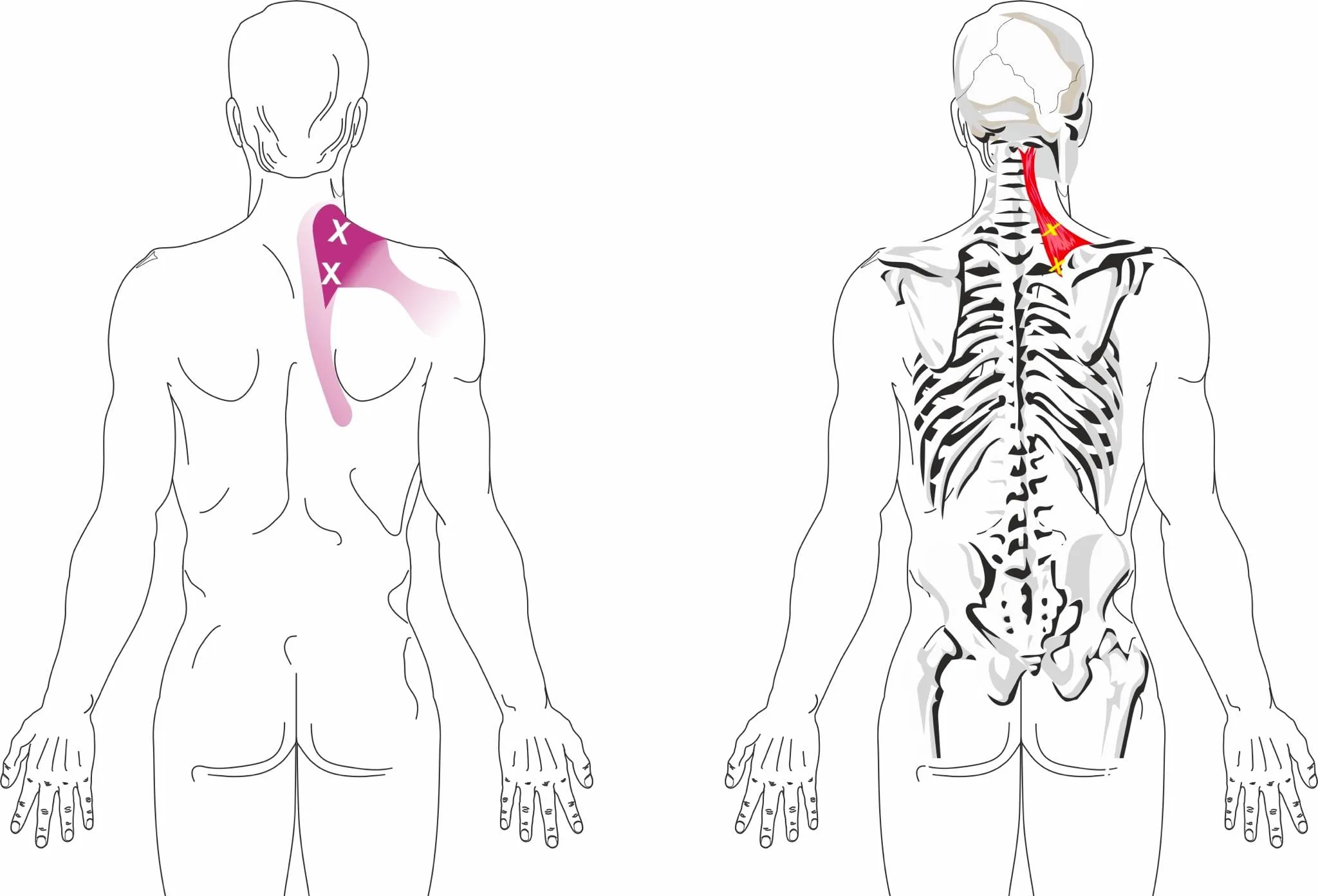
Muscle tension in the neck, shoulders and scalp creates trigger points, tight, tender nodules within the muscle that refer pain to specific areas of the head and face. Different muscles are responsible for different headache patterns:
Pain on Top of the Head
Typically arising from the splenius capitis and occipitalis muscles at the base of the skull.
Posterior Headaches (Back of the Head)
Often driven by the levator scapulae and trapezius muscles in the upper back and neck.
Headaches over the Side of the Head
Frequently caused by the suboccipital muscles, semispinalis and upper trapezius.
Frontal Headaches (Front of the Head)
Can arise from trigger points in the frontalis muscle and referred pain from the cervical spine.
Headaches Involving Pain over the Eye
Often caused by trigger points in the occipitalis or upper splenius cervicis muscles.
Our Step-by-Step Approach
Step 1: Thorough Assessment
During your initial consultation we take a detailed medical case history to investigate the type, frequency, location and triggers of your headaches. We also assess the cervical spine, shoulders and relevant muscles to identify the likely source of your pain.
Step 2: Pain Mapping
We systematically assess the muscles most commonly involved in tension headaches, pressing on specific trigger points to identify which ones reproduce your headache pattern. This pain mapping guides precisely where treatment needs to be directed.
Step 3: Targeted Treatment
Once the trigger points are identified, treatment is focused and precise. This typically involves:
- Trigger point dry needling (medical acupuncture) or acupressure-style massage
- Deep soft tissue release of the neck, upper back and scalp muscles
- Cervical joint mobilisation where stiffness is contributing to the headache pattern
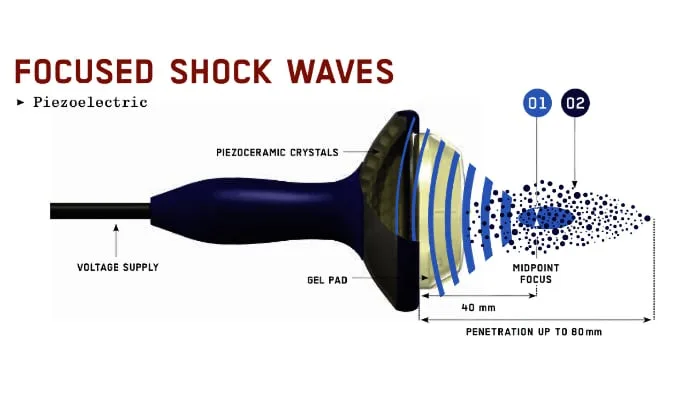
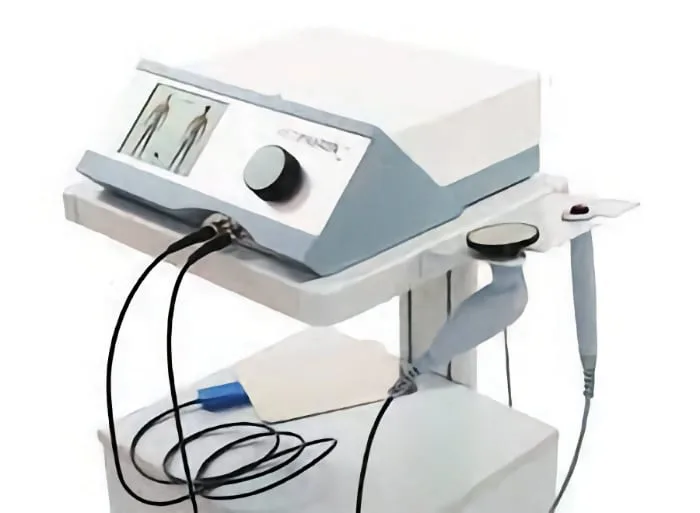
- Shockwave therapy in persistent or complex cases
Step 4: Preventing Recurrence
We provide clear advice on posture, workstation setup, sleep position and exercises to maintain the improvements gained in treatment. Many patients with recurrent tension headaches find that a short course of treatment, followed by periodic top-up sessions, gives them excellent long-term control of their symptoms.
What to Expect

Most patients with tension headaches notice a significant reduction in headache frequency and intensity within 1 to 3 sessions. The treatment itself can cause some temporary local discomfort at the trigger points during needling, but this is brief and is immediately followed by a noticeable release of muscle tension.
You do not need a GP referral. You can book directly and will receive a personalised assessment and treatment plan at your first appointment.
Ready to address your headaches? Call 020 8506 1000 or book online.
Book Now