
Sports Injuries, Muscle and Soft Tissue Pain
Expert assessment and treatment to get you back to sport as quickly as safely possible
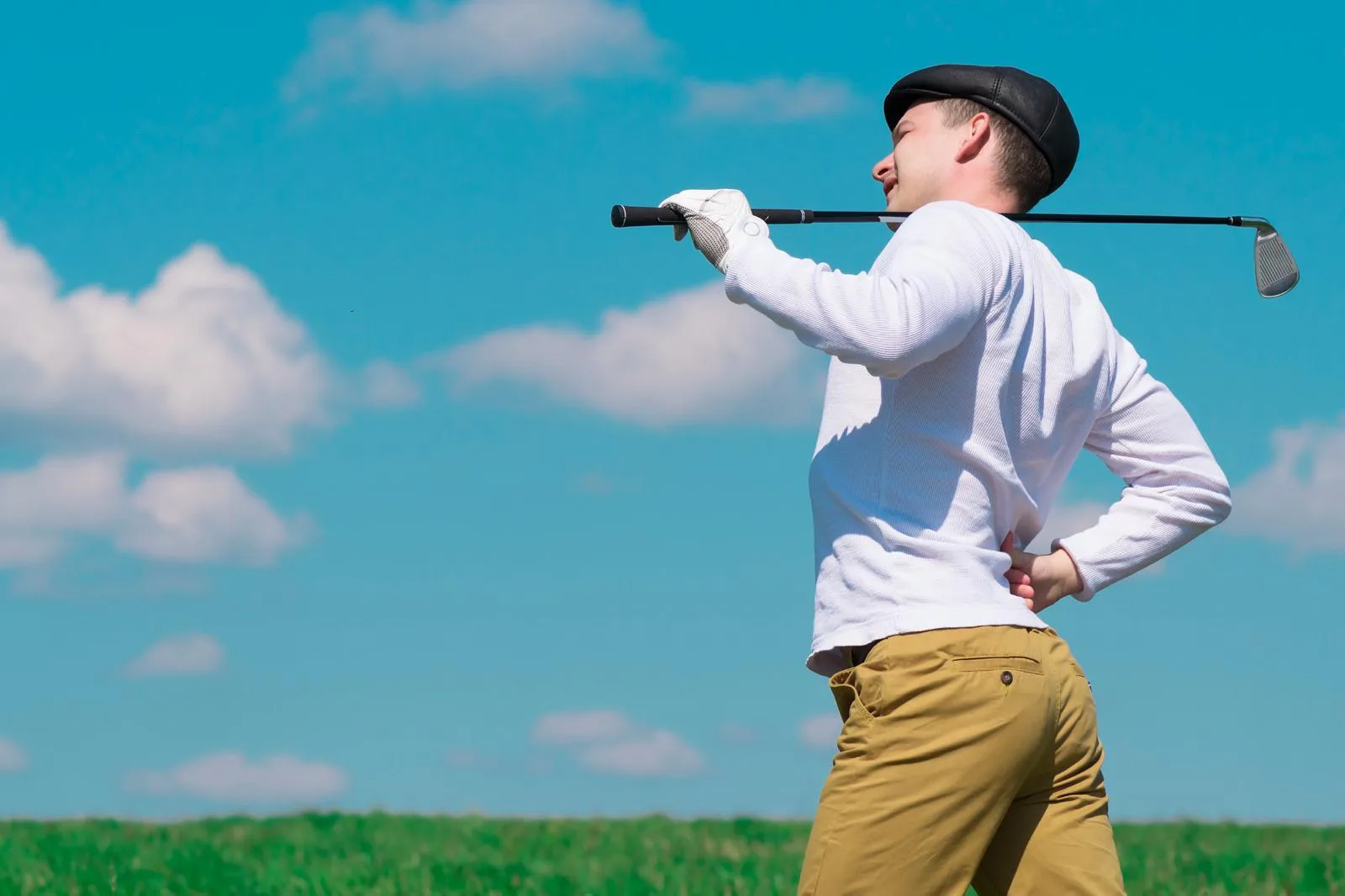
At Spine Plus, our osteopaths and physiotherapists regularly treat athletes and active individuals at all levels, from weekend runners to professional sports players. We address the root cause of sports injuries and provide structured rehabilitation with clear return-to-sport criteria.
Soft tissue injuries often respond well to treatment within a relatively short timeframe with the right approach. Left untreated or poorly managed, they can become persistent, develop scar tissue and lead to re-injury. Early assessment makes a significant difference to outcomes.
Conditions We Treat
Ligament Sprains
Ligament sprains occur when a joint is forced beyond its normal range of motion, over-stretching or partially tearing the ligament. The ankle inversion sprain is the most common sports injury of all. Grading the severity of the sprain (Grade 1, 2 or 3) guides treatment and return-to-sport timelines. Early protected mobilisation, manual therapy and progressive loading typically leads to excellent recovery.
Muscle Strains, Pulls and Tears
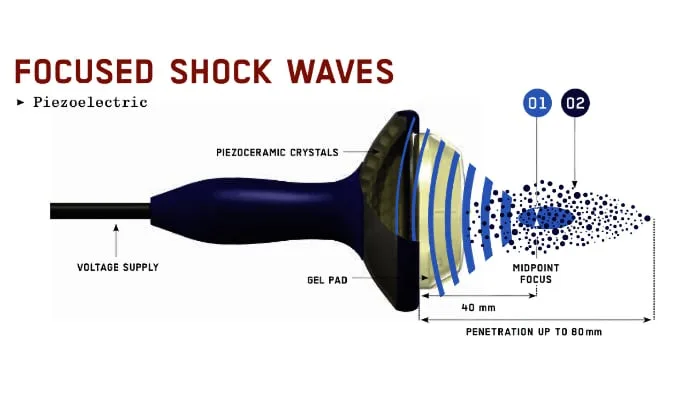
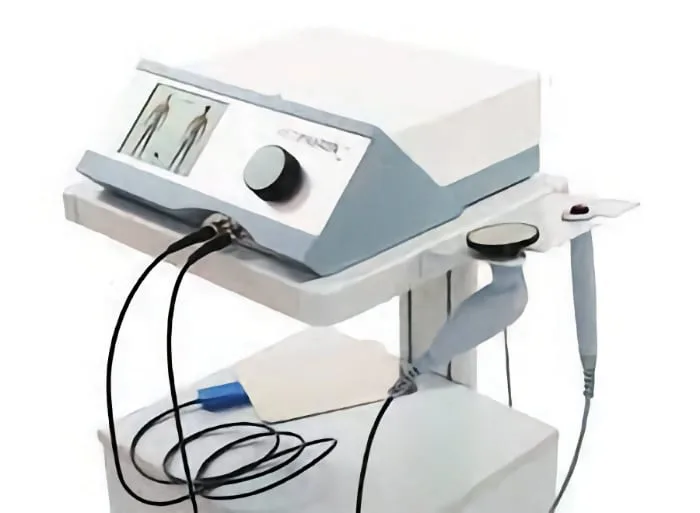
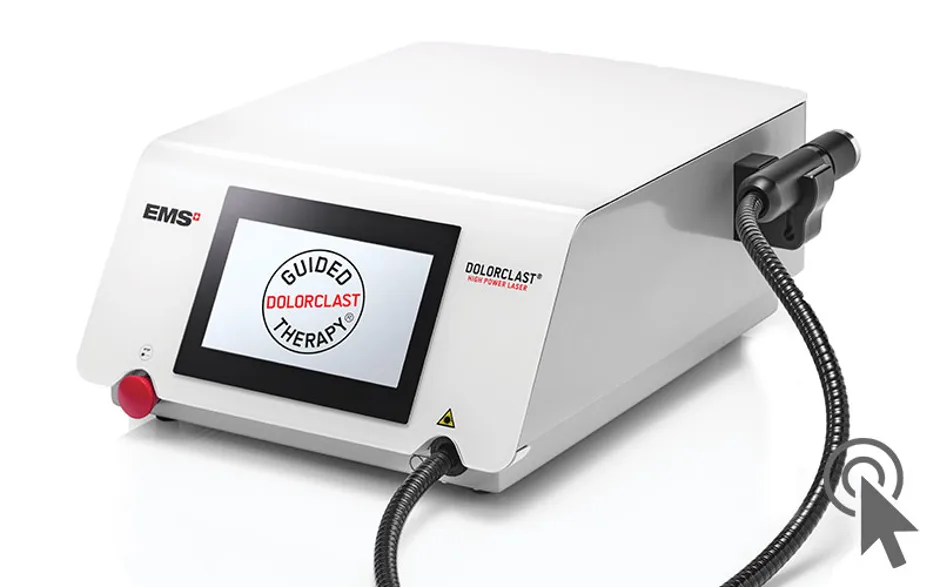
Muscle strains range from minor tightness (Grade 1) to partial tears (Grade 2) and complete ruptures (Grade 3). Treatment involves initial load management, soft tissue therapy, progressive rehabilitation and where indicated, shockwave or laser therapy to accelerate tissue healing. We provide clear guidance on return-to-training timescales based on the grade of the injury.
Hamstring Strain
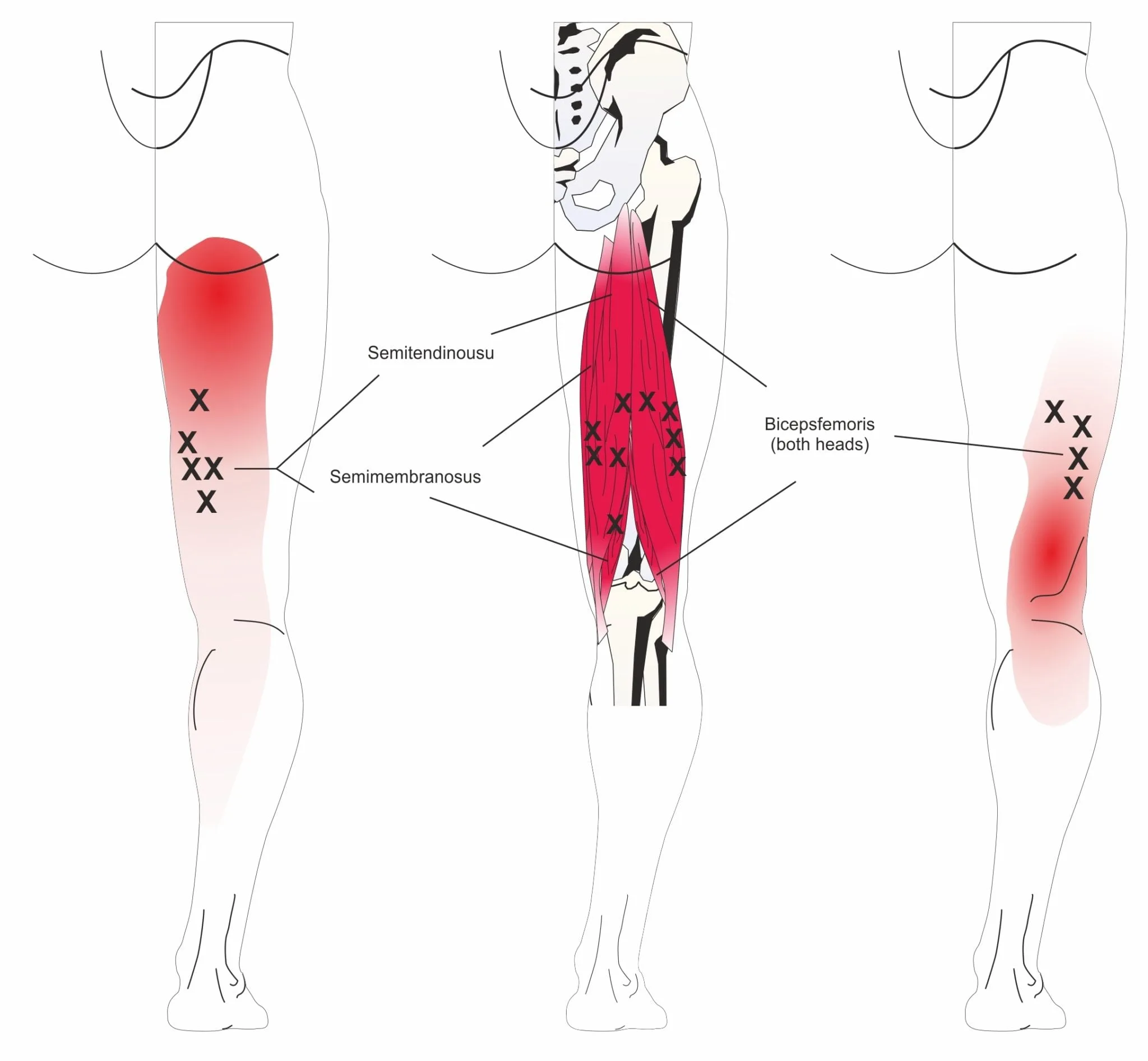
Hamstring strains are among the most common muscle injuries in sport, particularly affecting runners, footballers and sprinters. They carry a high re-injury risk if rehabilitation is incomplete. Our approach addresses the full kinetic chain, including gluteal and hip flexor strength, and follows evidence-based criteria for safe return to speed work and competition.
Trigger Point Pain (Myofascial Trigger Points)
Trigger points are tight, tender nodules within muscle that can refer pain to distant areas. They are extremely common and are often overlooked as a source of chronic, recurrent or unexplained pain. We use deep soft tissue techniques, acupressure and trigger point dry needling (medical acupuncture) to release trigger points effectively.
Bursitis
Bursae are small fluid-filled sacs that reduce friction between tendons, muscles and bones. They can become inflamed through overuse, direct trauma or altered movement patterns. Common sites include the calcaneal bursa (heel), infrapatellar bursa (knee), trochanteric bursa (outer hip) and subacromial bursa (shoulder). Treatment involves load modification, manual therapy, electrotherapy and where appropriate, injection therapy.
Groin Strain and Femoral Acetabular Impingement (FAI)
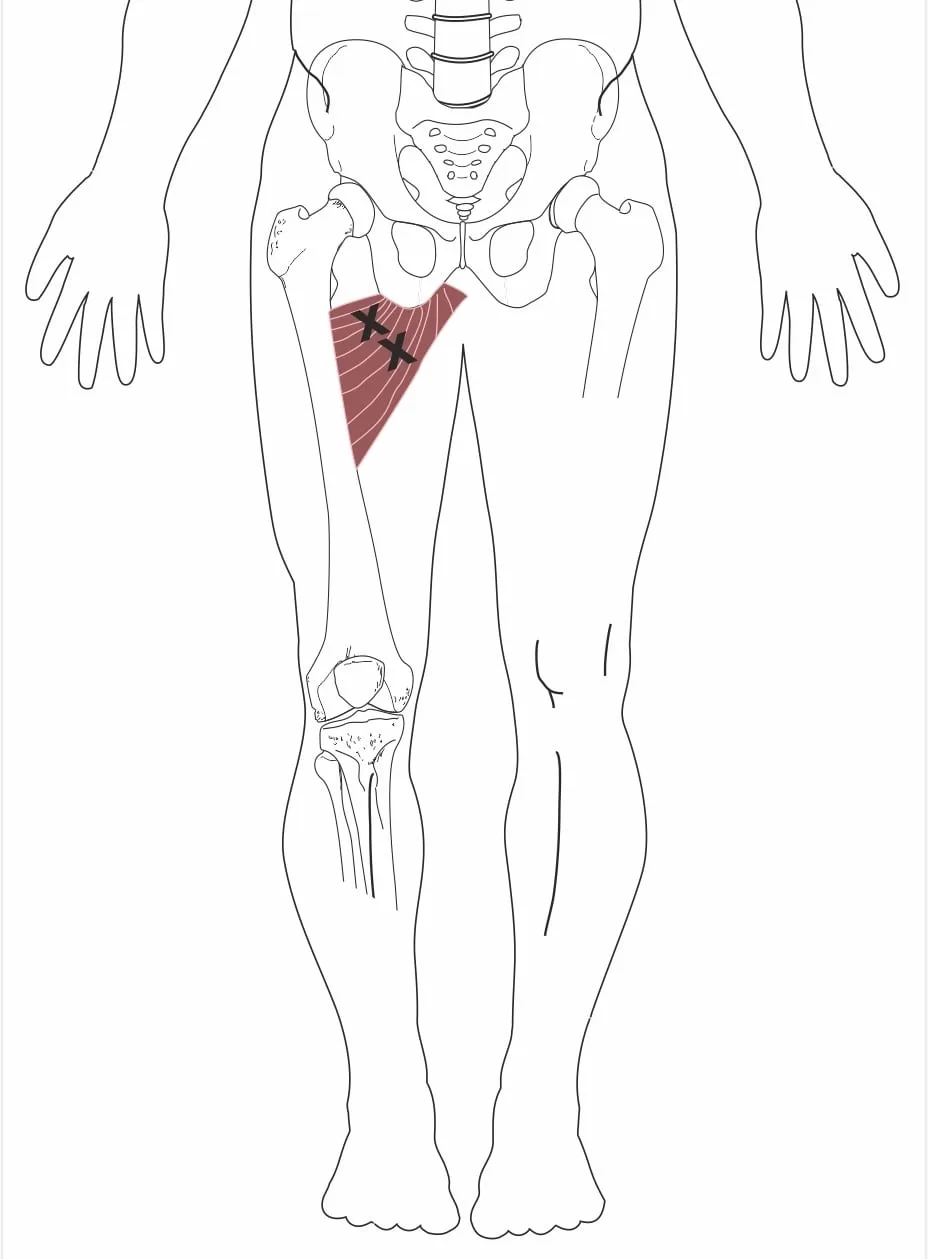
Groin strains involving the adductor muscles are common in football, rugby and hockey. Femoral acetabular impingement (FAI) is a condition where abnormal contact occurs between the hip ball and socket, causing pain in the groin and restricting hip movement. Both conditions require thorough clinical assessment to guide appropriate treatment and rehabilitation.
Iliotibial Band (ITB) Syndrome
ITB syndrome causes pain on the outer side of the knee, particularly in runners and cyclists. It arises from repetitive friction of the iliotibial band against the lateral femoral condyle. Treatment addresses contributing factors including hip abductor weakness, running mechanics, and training load, alongside soft tissue release and progressive rehabilitation.
Runner's Knee (Patellofemoral Pain Syndrome)
Patellofemoral pain syndrome produces pain around and behind the kneecap, typically aggravated by running, stairs and squatting. It is most effectively treated by addressing hip and knee muscle imbalances, foot mechanics and training load, alongside manual therapy and targeted strengthening exercises.
Shin Splints (Medial Tibial Stress Syndrome)
Shin splints describe pain along the inner edge of the shin bone, common in runners and those who have recently increased their training volume. Treatment involves load reduction, soft tissue therapy to the lower leg, footwear and gait assessment, and a structured return-to-running programme.
Our Treatment Approach
We take a thorough, evidence-based approach to sports injury treatment:
- Detailed assessment to identify the mechanism of injury and contributing factors
- Manual therapy, soft tissue release and joint mobilisation
- Medical acupuncture and trigger point dry needling
- Shockwave therapy and Class IV laser for tissue healing
- Structured rehabilitation with clear progression criteria
- Return-to-sport guidance based on objective testing
- Gait analysis and orthotics where biomechanical correction is indicated
Get your sports injury properly assessed. Call 020 8506 1000 or book online. Same-day and next-day appointments usually available.
Book Now