

Spine Plus Blog
Spinal Stenosis: Causes, Treatments and Management
Published: 28 March 2023
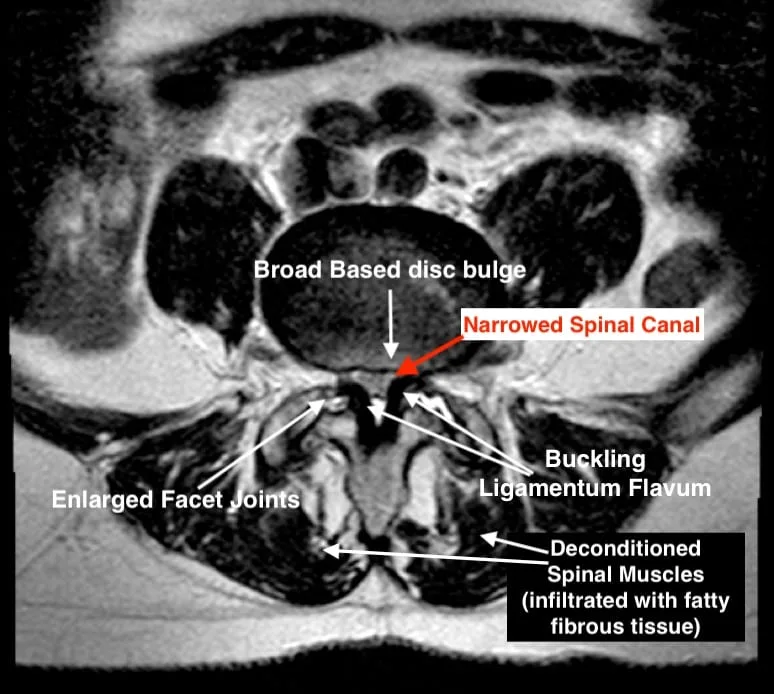
Spinal stenosis occurs when the spaces within the spine narrow, compressing the spinal cord or nerves. It's a common cause of persistent back, buttock, and leg pain, particularly in older adults, and can significantly reduce quality of life if not managed effectively.
What Causes Spinal Stenosis?
There are several contributing causes:
- Age: The ligaments that support the spine can thicken and calcify over time, reducing canal space.
- Arthritis: Degenerative changes generate bone spurs (osteophytes) that narrow the spinal canal.
- Herniated discs: Disc bulges create direct pressure on neural structures.
- Poor posture: Excessive spinal curves compound other stenosis causes over time.
- Trauma: Injuries from accidents or falls can cause bone fragments or swelling that narrow the canal.
- Congenital defects: Some people are born with naturally narrow spinal canals, making them more vulnerable to degenerative changes.
Symptoms
Common symptoms include pain in the neck, back, or legs; numbness or tingling in the extremities; weakness in the legs or arms affecting mobility; and pain or cramping that worsens with walking and improves with sitting or leaning forward (neurogenic claudication). In severe cases, loss of bladder or bowel control can occur, which requires urgent medical attention.
Treatment Options
Treatment depends on the severity of the stenosis and the patient's individual circumstances:
- Nonsteroidal anti-inflammatory medications (NSAIDs) to reduce pain and inflammation
- Exercise programmes to strengthen supporting musculature and maintain spinal mobility
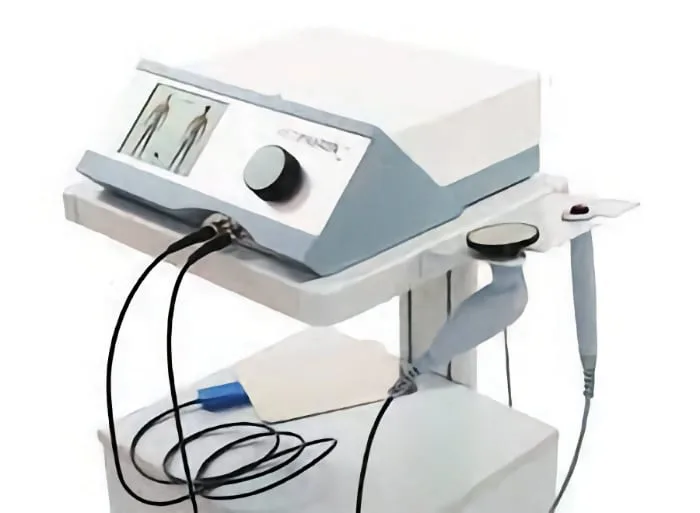
- TECAR therapy: Uses radio-frequency electromagnetic current to reach areas in the spinal canal that other electrotherapy cannot access, potentially reducing inflammation and improving nerve function
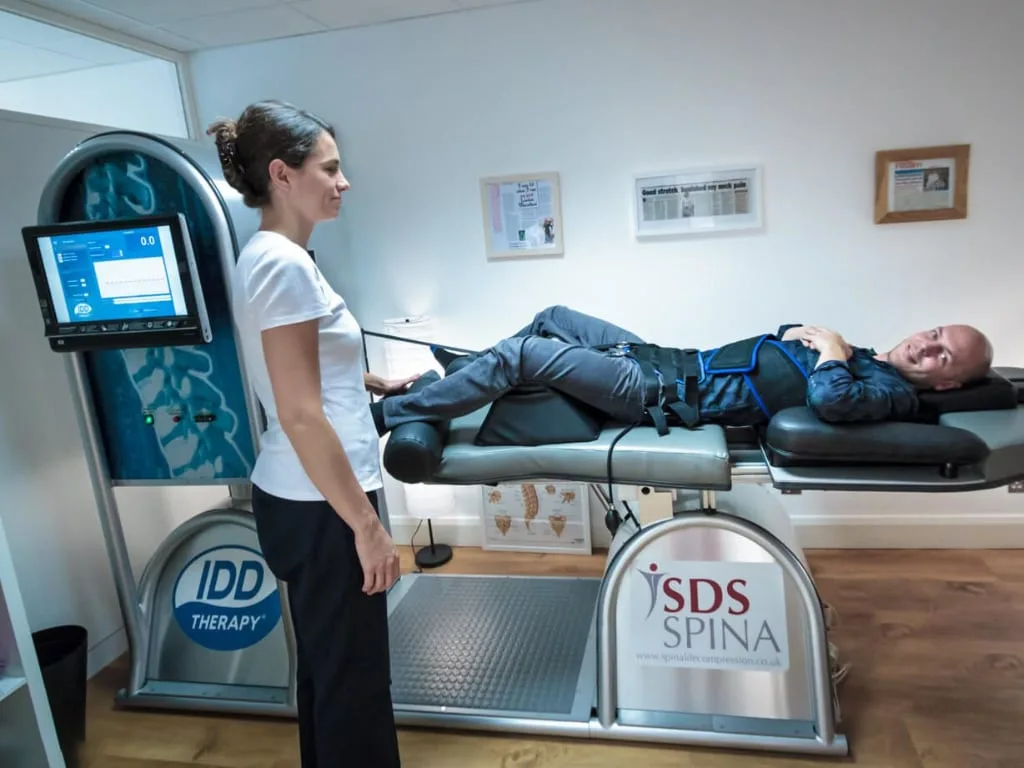
- IDD spinal decompression: Computerised traction that gently decompresses the affected disc levels and may relieve nerve root pressure
- Steroid injections: For short-term relief of significant nerve irritation
- Surgery: Reserved for severe cases or where conservative management has failed; typically involves decompression of the affected level
Management Strategies
Alongside treatment, long-term management of spinal stenosis involves:
- Regular low-impact exercise (walking, swimming, cycling)
- Weight management to reduce load on the spine
- Maintaining good posture and core strength
- Using assistive devices or walking aids where beneficial
- Activity modification to avoid prolonged upright standing
Our Approach at Spine Plus
Spine Plus clinics offer specialist non-surgical treatment for spinal stenosis, including TECAR therapy and IDD spinal decompression. We assess each patient individually and use MRI findings to guide treatment planning. Where surgical referral is appropriate, we maintain relationships with trusted spinal surgeons.
To discuss your symptoms and find out which treatment may be right for you, call us on 020 8506 1000.