

Spine Plus Blog
Bulging Disc Treatment
Published: 19 February 2015
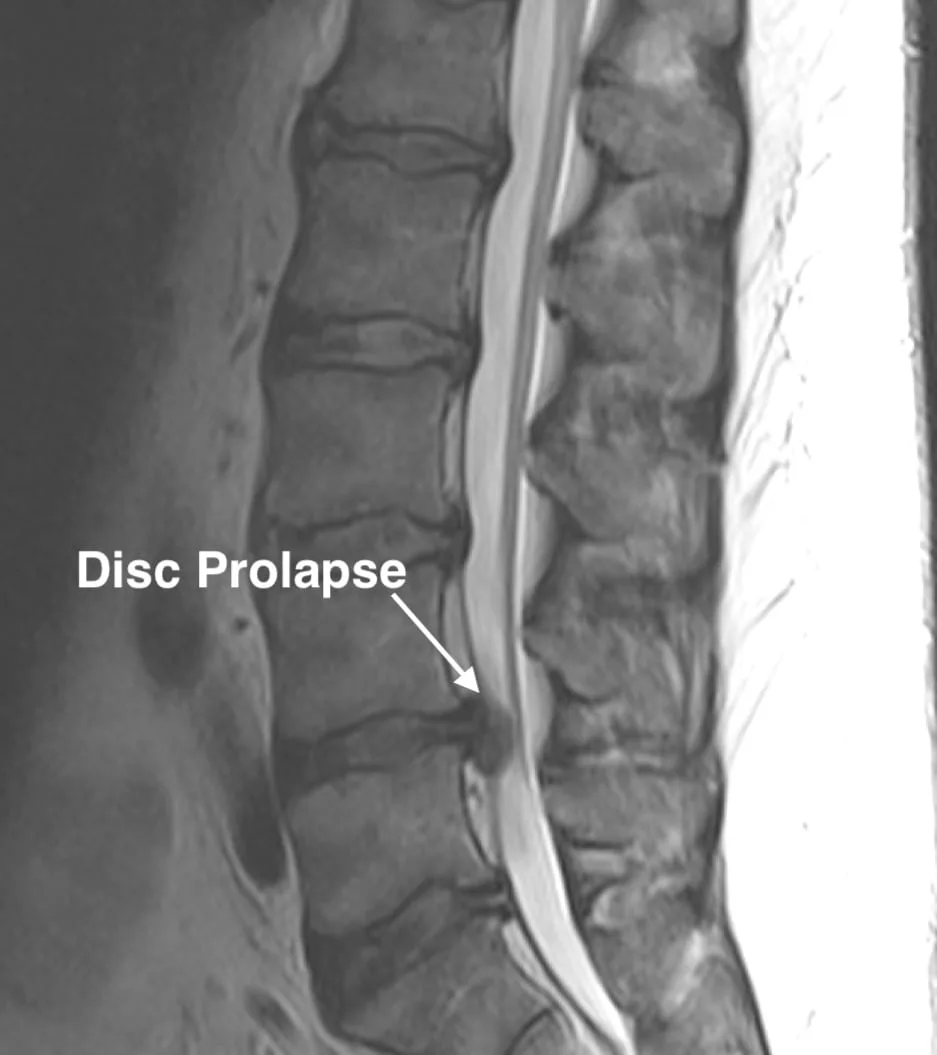
Intervertebral discs function as cushions between spinal bones and protect the nerve roots that pass between them. Problems develop through injury or degenerative changes and fall into several main categories.
Types of Disc Problems
Loss of Disc Height (Spondylosis): Discs thin progressively, increasing pressure on facet joints and potentially compressing spinal nerves as the disc space narrows.
Annular Tear: The outer wall of the disc ruptures due to trauma or poor core stabilisation. This can be acutely painful as the outer layers contain pain-sensitive nerve fibres, even without nerve root involvement.
Disc Bulge or Herniation: The disc deforms outward beyond its normal contour, pressing on adjacent spinal nerves. The degree of nerve compression determines the severity of symptoms.
Non-Surgical Treatment
The large majority of disc problems can be managed without surgery:
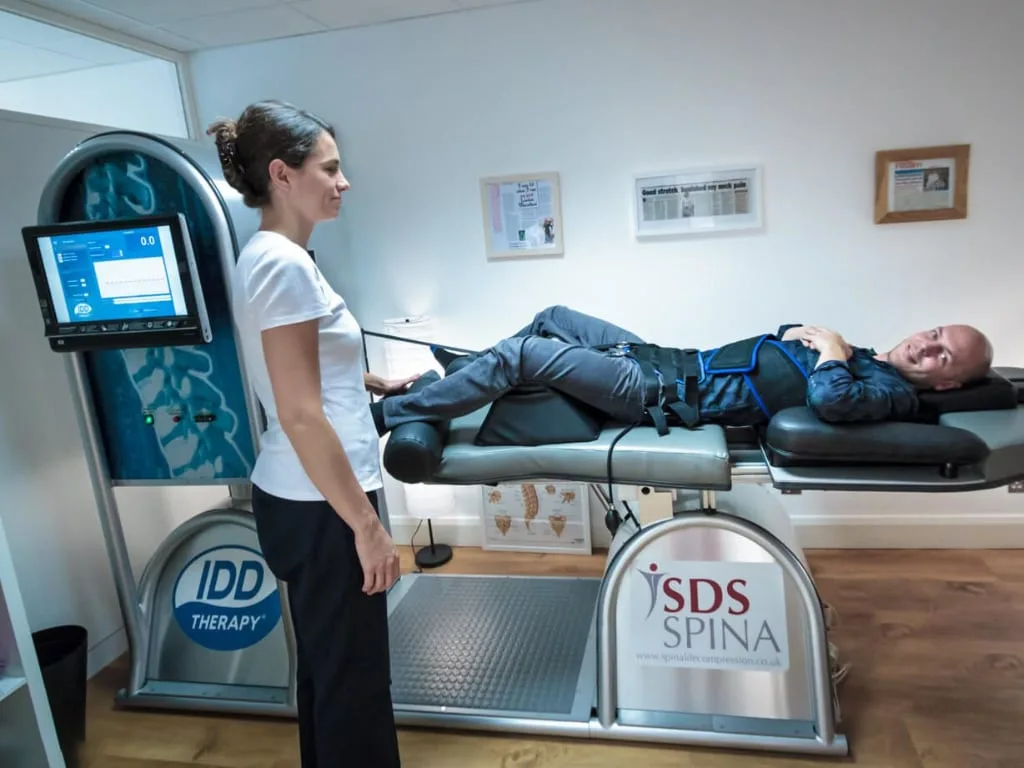
- IDD Spinal Decompression Therapy: directly addresses the disc by creating negative pressure that encourages herniated material to retract and the disc to rehydrate
- Manual therapy, exercise, and core stabilisation
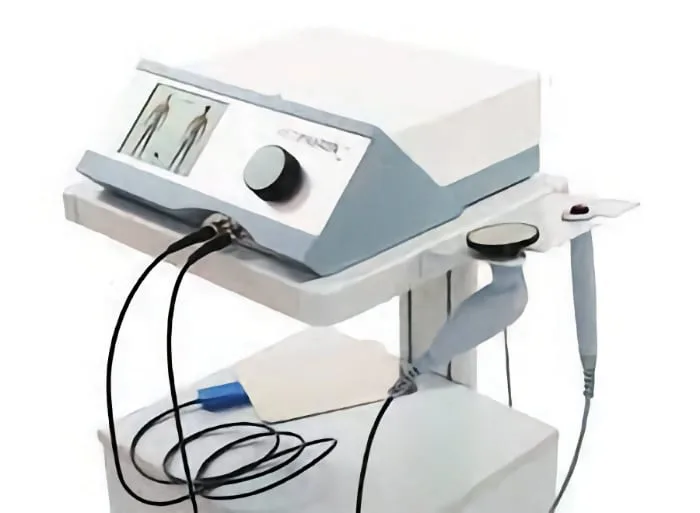
- Anti-inflammatory treatment (medication, TECAR, acupuncture)
- Spinal injections for severe or persistent nerve irritation
When Surgery Is Needed
Surgery is typically considered when conservative management fails after an adequate trial, or when there is significant neurological deficit: severe or progressive weakness, loss of sensation in the saddle area, or loss of bladder or bowel control (which requires urgent referral).
Call us on 020 8506 1000 to discuss your disc problem and treatment options.