


Chronic Back or Neck Pain Programme
A structured, five-step approach for long-standing spinal pain that hasn’t resolved with other treatment
Available at our Woodford, Chigwell, Gidea Park & Bow clinics. Find your nearest
Book Now
Chronic back and neck pain affects millions of people in the UK and can have a significant impact on quality of life, work and activity. If your pain has been present for more than three months, or if you have a recurring condition that keeps coming back, you have chronic pain by clinical definition.
This programme is designed for patients who have been struggling with persistent spinal pain, whether or not they have had previous treatment. Many of our chronic pain patients have seen GPs, physiotherapists or chiropractors elsewhere without lasting benefit. Our senior clinicians and specialist spinal team are experienced in these complex presentations.
Who This Programme Is For
This programme may be right for you if you are experiencing:
- Back or neck pain that has persisted for more than three months
- Spinal pain that keeps coming back after periods of improvement
- Ongoing stiffness, reduced mobility or functional limitations
- Pain associated with degenerative disc disease, facet joint changes or stenosis
- Spinal pain that has not responded adequately to other treatment
- A wish to reduce reliance on pain medication, avoid injections or explore non-surgical alternatives
The Five-Step Treatment Programme
Comprehensive Clinical Examination
The programme begins with a detailed medical case history and thorough clinical assessment including posture evaluation, spinal range of motion testing, orthopaedic and neurological testing. For chronic conditions we typically recommend MRI imaging to identify the underlying structural causes of pain, including disc changes, facet joint arthritis, ligament thickening, nerve compression, stress reactions and muscle deconditioning. We can arrange rapid access to MRI with expert radiological reports where you don't already have recent imaging.
Manual Therapy
The early treatment phase focuses on releasing stiff spinal segments, restricted muscles and tight fascial tissue through deep soft tissue techniques and joint mobilisation. In chronic cases, muscles adapt around the pain source and normal movement patterns become altered. Restoring movement and reducing protective muscle guarding is an important early step that makes subsequent treatment more effective.
Trigger Point Release
Chronic muscle tension creates persistent trigger points that refer pain to specific areas of the spine, buttocks and legs. Trigger point dry needling (medical acupuncture) or acupressure massage is used to release these trigger points, providing significant pain relief and allowing more effective manual therapy and exercise rehabilitation.
Advanced Electrotherapy
Advanced medical-grade electrotherapy plays an important role in chronic pain treatment by addressing tissue changes that manual therapy alone cannot reach. We use:
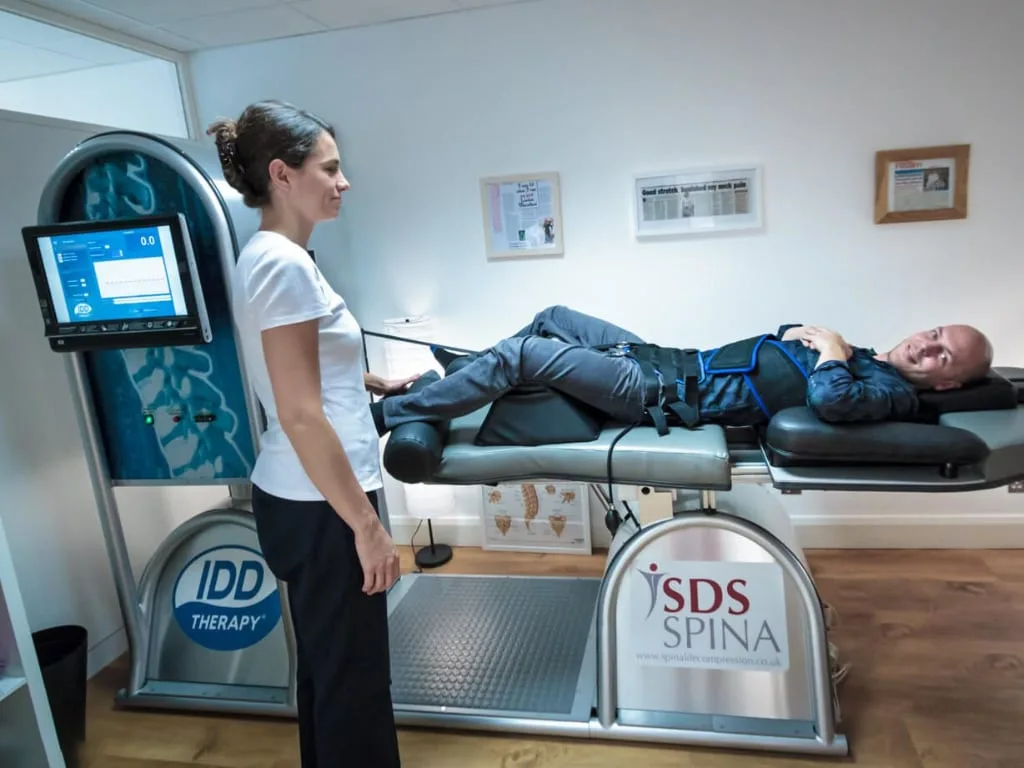
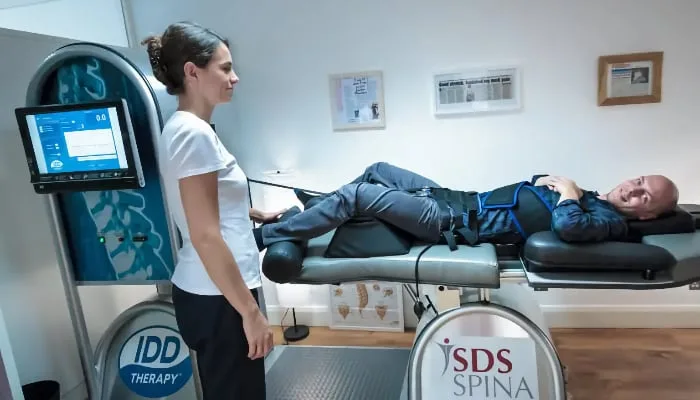
- IDD Spinal Decompression Therapy for disc-related chronic pain, to reduce disc pressure, promote disc rehydration and relieve nerve root irritation
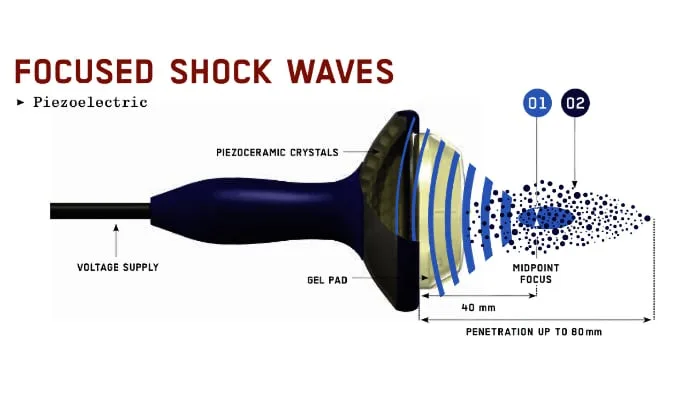
- Focused Shockwave Therapy to stimulate healing in degenerated tendons, calcified tissues and chronic muscle conditions
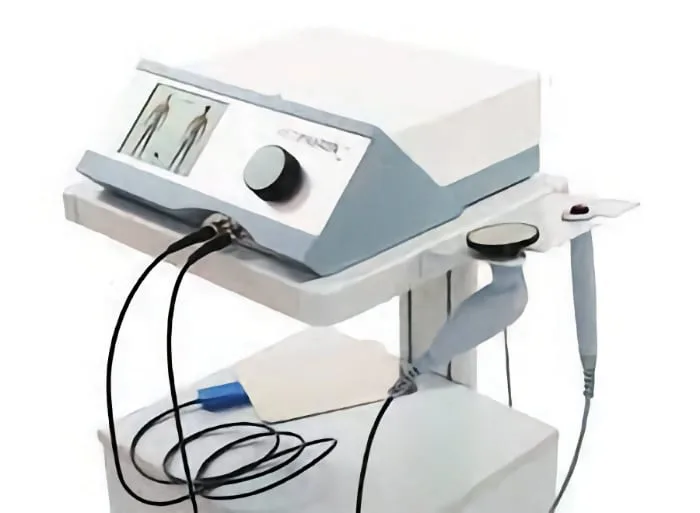
- TECAR Therapy to promote deep tissue heating, circulation and cellular metabolic activity
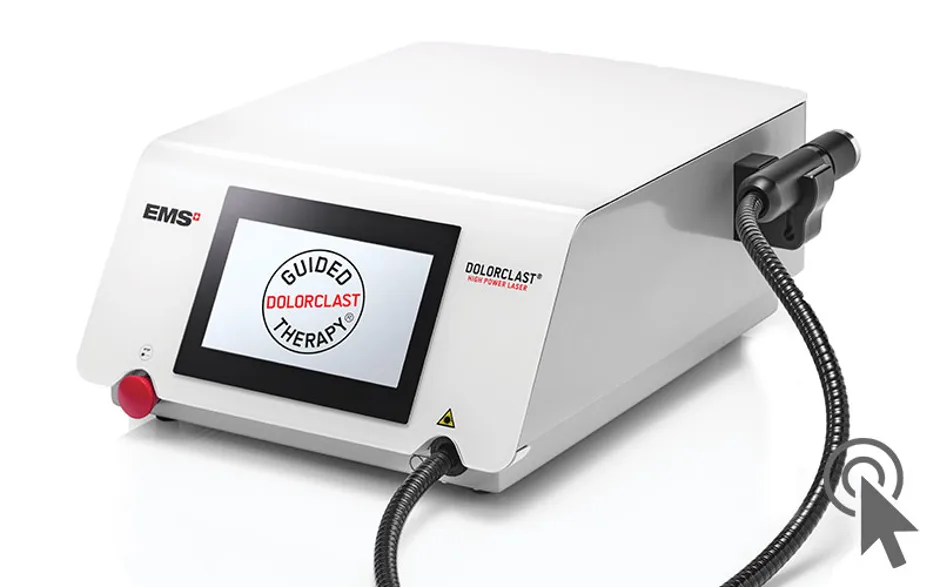
- Class IV Laser Therapy to reduce inflammation and promote tissue repair at a cellular level
The combination of therapies used is tailored to your specific diagnosis and response to treatment.
Rehabilitation Exercises
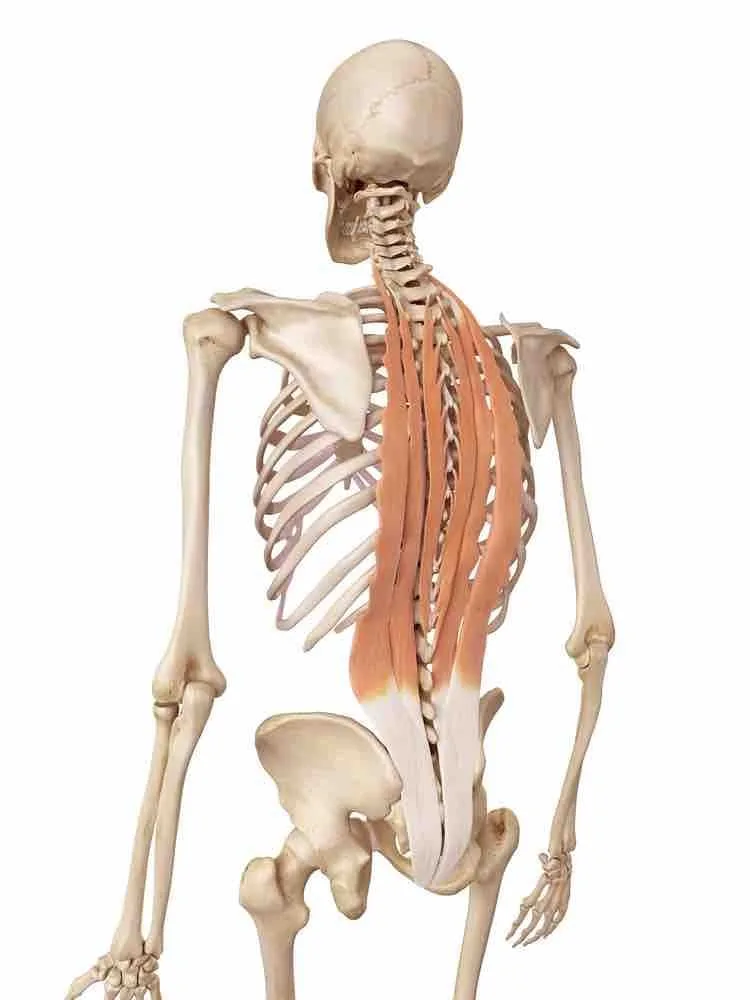
Structured strengthening and flexibility exercises form a vital part of long-term recovery from chronic spinal pain. Chronic pain is associated with progressive deconditioning of the postural and core muscles that support the spine. Our rehabilitation programme rebuilds this foundation progressively, improving posture and core strength and equipping you with the tools to manage your spine independently.
What to Expect
Chronic conditions take longer to respond than acute ones. Significant improvement is typically seen within 6 to 10 sessions, with the programme usually running over 8 to 16 weeks depending on severity. Many patients continue with periodic maintenance treatment to keep on top of their condition long-term.
We will give you an honest assessment of your prognosis after your first appointment. If your condition is beyond the scope of conservative treatment, we will tell you and help you access the right specialist referral.
Ready to get proper help for your chronic back or neck pain? Call 020 8506 1000 or book online. Open Mon–Fri 8am–8pm, Saturdays 9am–5pm.
Book Now