

Spine Plus Blog
Disc Bulges, Ligaments and Retrolisthesis: Gold Standard Care
Published: 10 February 2024
Patient Case Overview
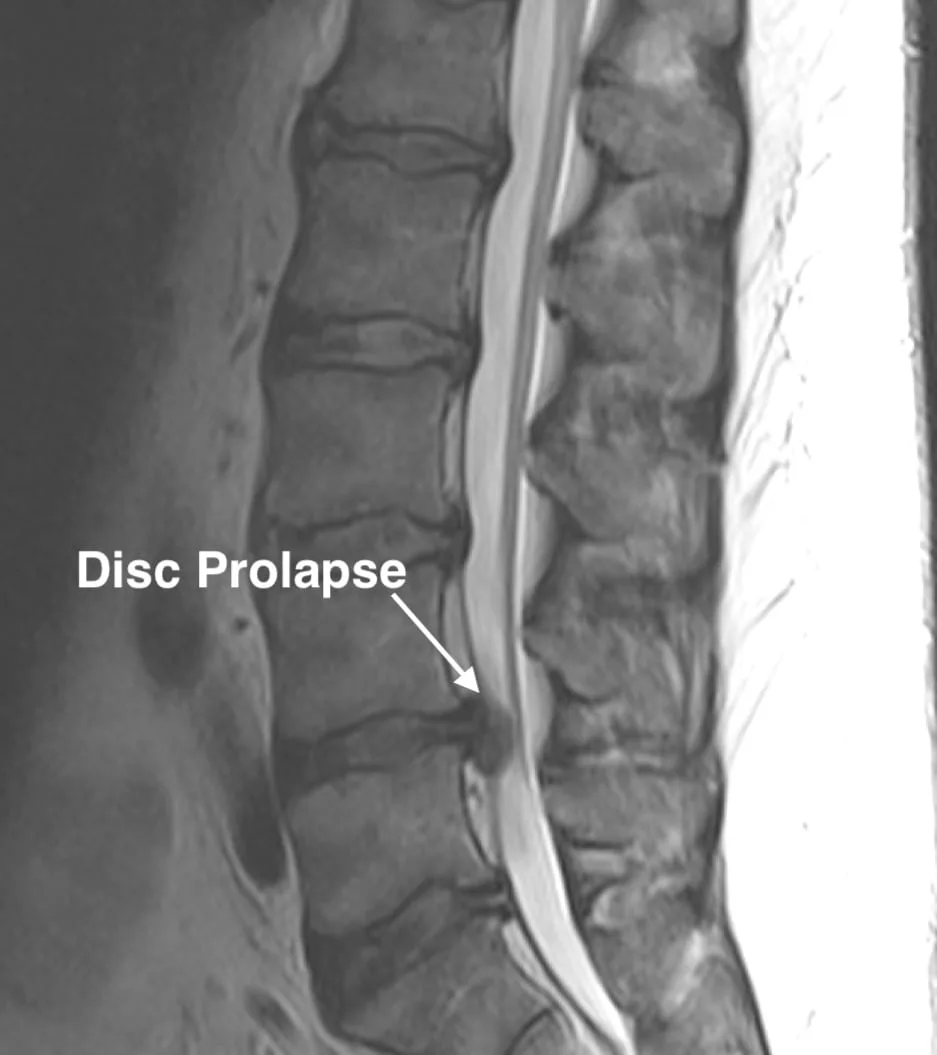
A patient sought guidance following an MRI scan revealing a small disc protrusion at L5/S1 (the lowest disc in the spine) with retrolisthesis, a backward shift in vertebral position.
The MRI indicated a small focal disc protrusion not contacting nerve roots, retrolisthesis at the same segment, and likely ligamentous slack or damage associated with disc degeneration.
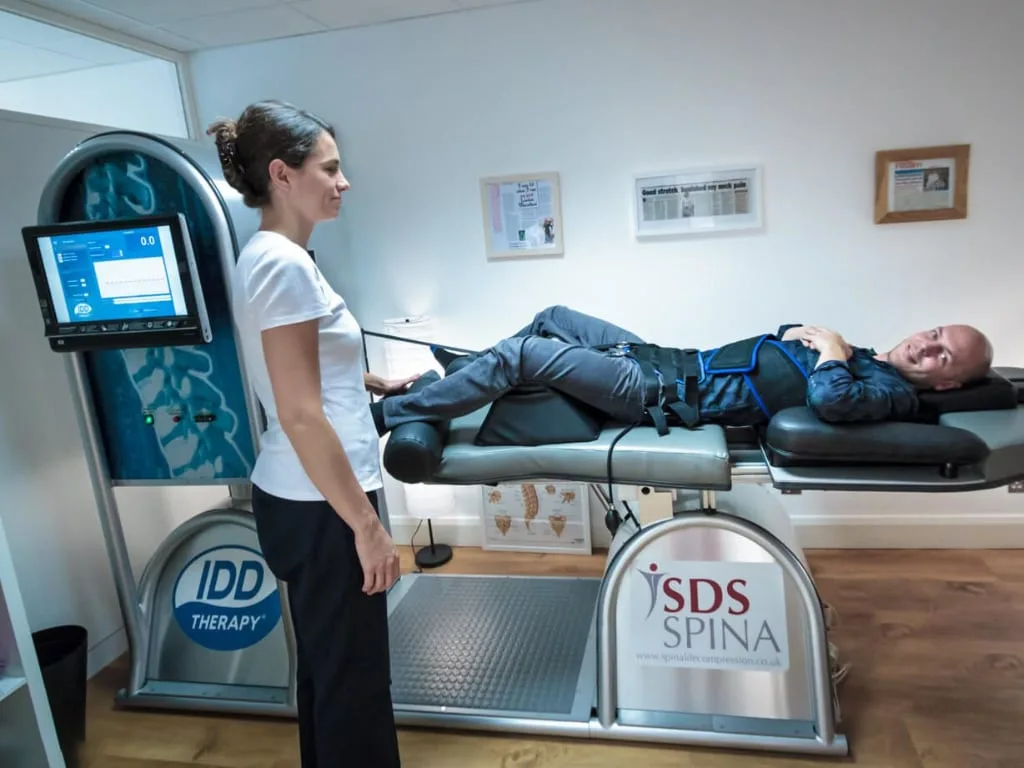
Treatment for Disc Decompression: IDD Therapy
IDD (Intervertebral Differential Dynamics) therapy was recommended, with its oscillatory function capable of targeting specific disc spaces. This is a category 1 to 2 lesion. Patients typically need 24 to 30 sessions for maximum improvement, though some relief may appear within 6 to 12 sessions.
Treatment for Segmental Stability
Retrolisthesis suggests ligamentous laxity, requiring a multi-faceted approach to stabilisation:
- Core strengthening exercises targeting the transversus abdominis and multifidus muscles
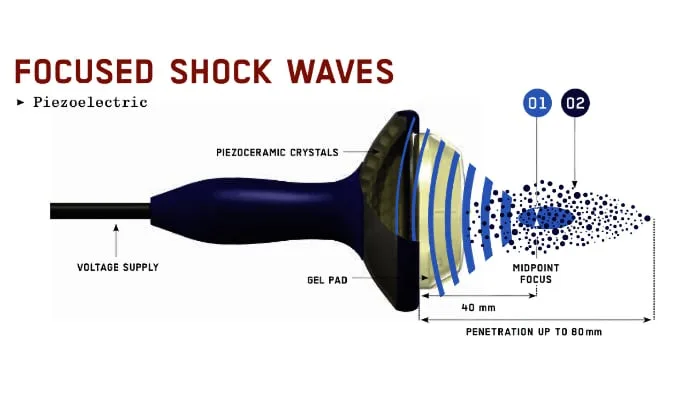
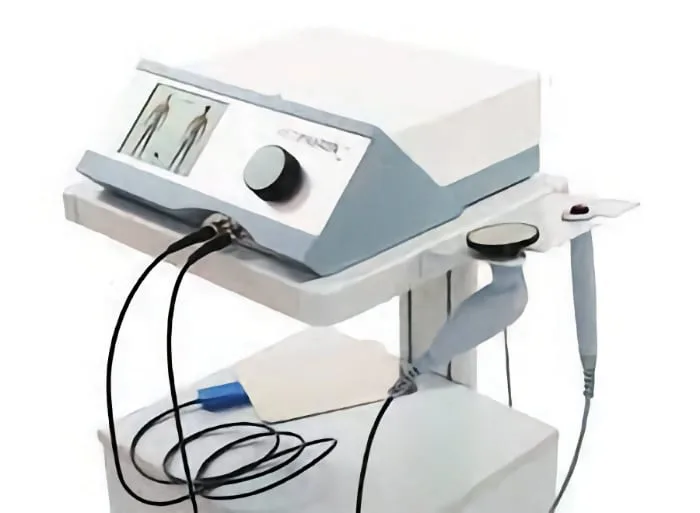
- Focused shockwave therapy to improve ligamentous integrity
- Prolotherapy (3 to 4 sessions with a specialist) for enhanced ligament repair through fibroblast growth factor upregulation
Diagnostic Enhancement
To determine whether the retrolisthesis is dynamic, meaning it moves under load, upright or dynamic MRI imaging with flexion and extension views was recommended. This provides superior visualisation compared to standard supine MRI, and costs approximately £800. It's particularly useful for identifying movement-related instability that a standard scan may miss.
Exercises to Avoid
The patient should avoid heavy axial spinal loading exercises that could exacerbate backward vertebral slippage. These include:
- Heavy overhead presses
- Barbell back squats with heavy loads
- Heavy deadlifts with poor form
- McKenzie extension exercises
McKenzie extensions in particular may worsen retrolisthesis by increasing posterior shear on already-compromised segments.
Summary
The gold standard approach for disc protrusion with retrolisthesis combines IDD therapy for disc decompression, targeted core rehabilitation, and ligament strengthening through shockwave and prolotherapy. The aim is to restore segmental stability, reduce nerve irritation, and avoid further posterior slippage.
To discuss your MRI findings and treatment options, call us on 020 8506 1000.