

Spine Plus Blog
Other Musculoskeletal Conditions: Shoulder Pain
Published: 19 February 2015
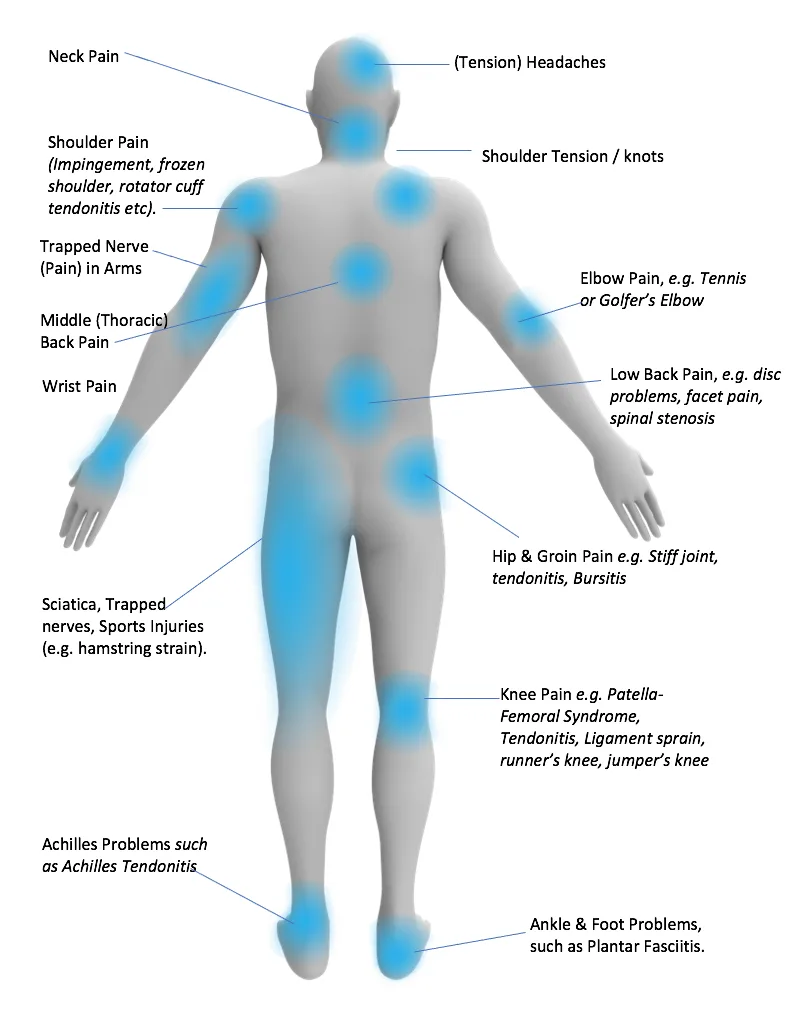
Beyond back and neck pain, our osteopaths treat the full range of musculoskeletal conditions. The shoulder is one of the most complex joints in the body and one of the most commonly affected.
Shoulder Anatomy
The shoulder joint works like a cup and saucer arrangement: a relatively shallow socket (the glenoid) supporting the top of the arm bone (humerus). This design creates inherent instability in the joint, which is traded for exceptional range of movement. As a result, the shoulder depends heavily on surrounding muscles and ligaments, particularly the rotator cuff, for stability.
Shoulder Impingement Syndrome
When the supporting structures weaken or the mechanics of the shoulder become imbalanced, the soft tissues between the bones can become pinched during overhead or sideways arm movements. This is shoulder impingement. Treatment focuses on targeted strengthening exercises for the rotator cuff and scapular stabilisers, combined with massage, stretching, and dry needling to restore proper muscle balance and shoulder mechanics.
Shoulder Dislocation
When supporting structures fail entirely, the joint can slip or fully dislocate. After reduction (putting the shoulder back in), rehabilitation focuses on rebuilding the rotator cuff strength and neuromuscular control that prevents recurrence.
Frozen Shoulder (Adhesive Capsulitis)
The opposite problem: the soft tissue capsule of the shoulder joint becomes extremely stiff and sometimes inflamed, severely restricting movement in all directions. Management typically involves anti-inflammatory treatment in the freezing phase, followed by aggressive stretching and manual therapy to progressively restore range of motion.
For all shoulder conditions, accurate diagnosis is the first step. Call us on 020 8506 1000 to book a shoulder assessment.