


Spine Plus Blog
Piriformis Syndrome
Published: 19 February 2015
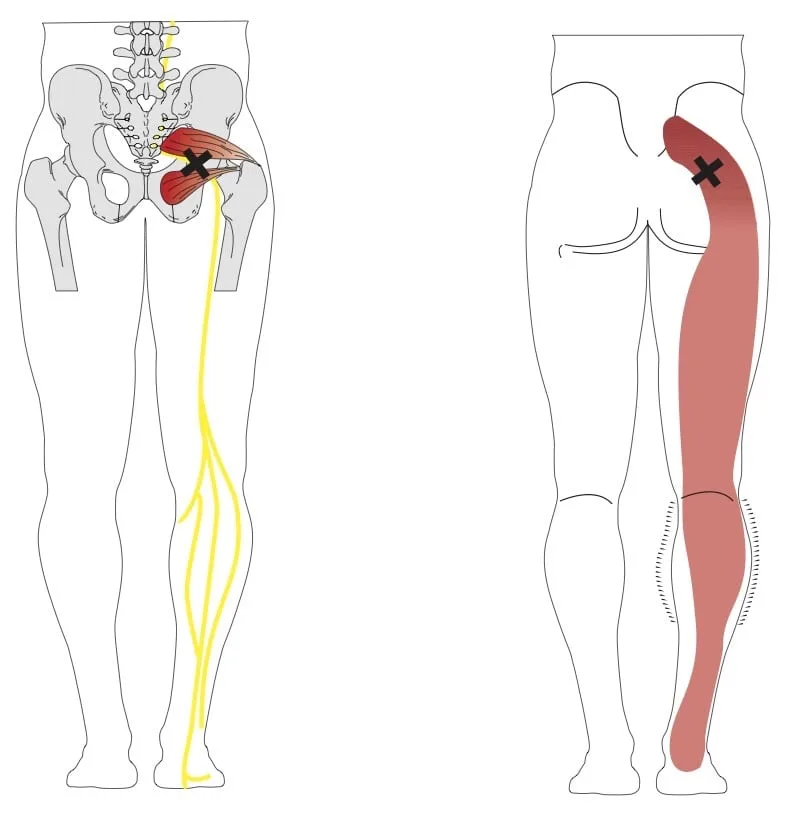
Piriformis Syndrome is a neuromuscular condition causing chronic discomfort in the legs, buttocks, and feet. The sciatic nerve passes through the piriformis muscle in approximately 20% of people, while in others it runs nearby. Pain occurs when this deep buttock muscle irritates or compresses the nerve.
Diagnosis: The Challenge
Since disc herniation, muscle strain, spinal stenosis, and facet arthropathy can all cause similar symptoms, isolating piriformis syndrome can be challenging. Medical professionals use imaging and electrical testing to rule out other causes.
Diagnostic indicators specific to piriformis syndrome include:
- Buttock numbness or aching that worsens with sitting
- Discomfort ascending or descending stairs
- Pain aggravated by prolonged sitting
- Reproduction of symptoms with specific hip rotation movements
The diagnosis is made by reviewing symptom history, physical examination to find piriformis tenderness and reproduction of symptoms with passive hip rotation, and ruling out spinal causes through imaging where appropriate.
Treatment
Piriformis syndrome responds well to a combination of:
- Piriformis stretching: 3 to 4 times daily, held for 30 to 60 seconds
- Deep massage and dry needling: directly to the piriformis and surrounding hip rotators to release tension and improve blood flow
- Core and hip strengthening: to restore proper muscle balance and reduce the load on the piriformis
- Activity modification: avoiding activities that repeatedly aggravate the muscle while rehabilitation progresses
Call us on 020 8506 1000 to discuss piriformis syndrome assessment.