


Spine Plus Blog
Sciatica Pain: Causes and Treatment
Published: 19 February 2015
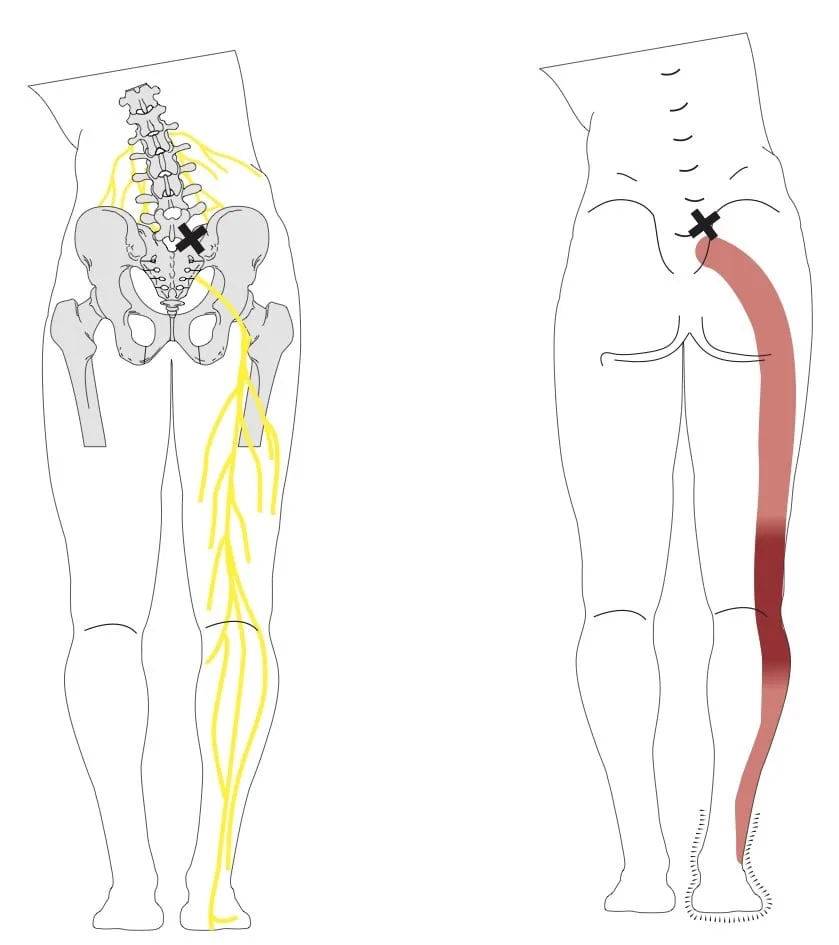
Sciatica involves pain felt in the buttock or down the back of the leg as a result of irritation or compression of the sciatic nerve or its nerve roots. Beyond pain, symptoms can include tingling, numbness, or muscle weakness severe enough to impair walking or standing on tiptoes.
The Anatomy
The sciatic nerve originates in the lower back from multiple nerve roots, travels through the buttock, and extends down the back of the thigh before dividing into two branches below the knee. Irritation can occur where the nerve begins in the lower back, in the piriformis muscle, or at other points along its route.
Causes
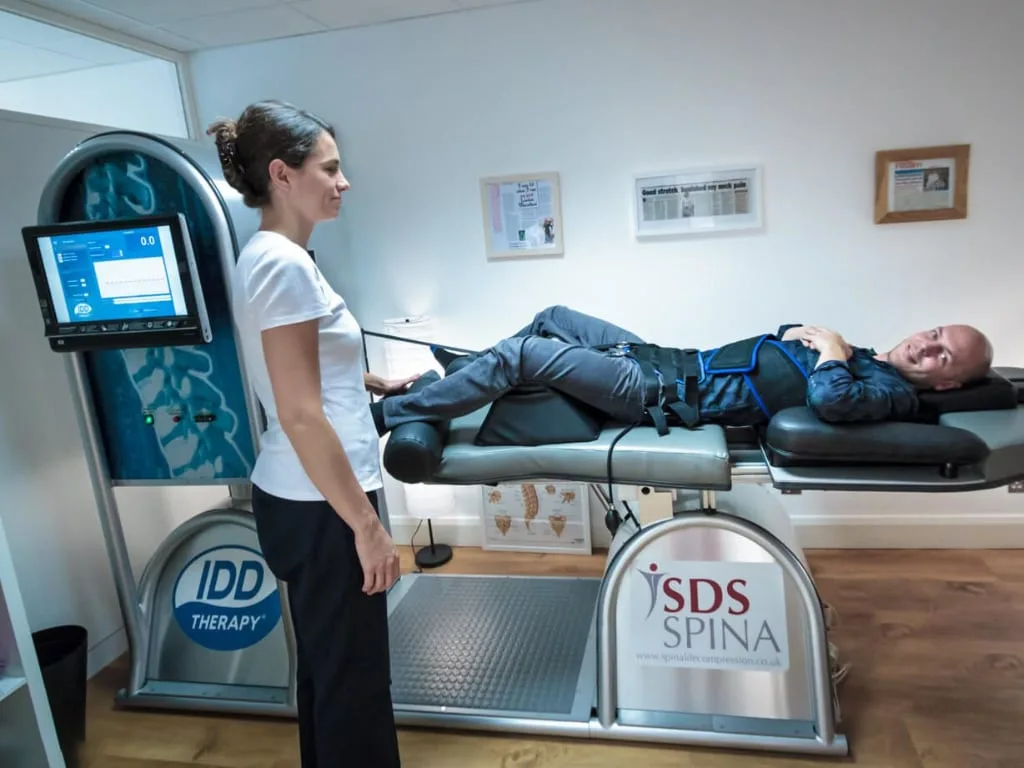
Disc Bulge or Herniation: In younger to middle-aged adults, this is the most common cause. Disc material pressing on nerve roots produces the classic leg symptoms of sciatica. IDD Spinal Decompression Therapy has reported success rates of 70 to 90% for appropriate disc conditions, making it one of the most effective non-surgical options.
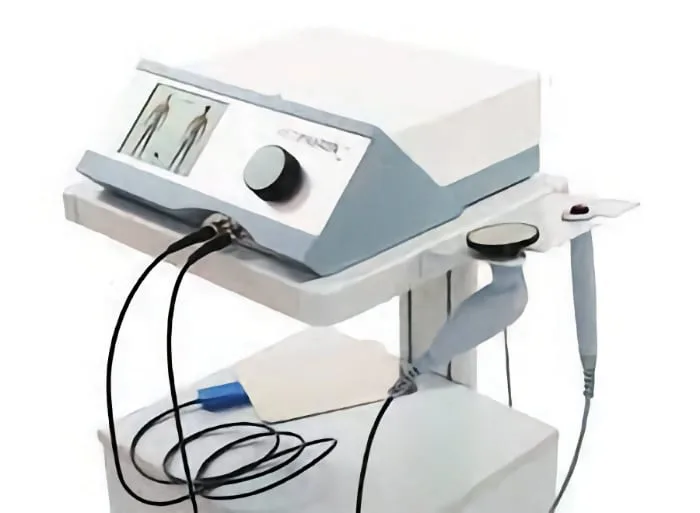
Degenerative Spinal Changes: For older adults, arthritis, bone spurs, and spinal stenosis are more typical causes. TECAR therapy and IDD therapy (where appropriate) can address the neural inflammation and disc component respectively.
Piriformis Syndrome: In approximately 10 to 20% of people, the sciatic nerve passes through the piriformis muscle. When this buttock muscle spasms or tightens, it can compress the nerve. Treatment: stretching 3 to 4 times daily, deep massage, dry needling, and activity modification.
Spondylolisthesis: Vertebral slippage can narrow the nerve exit foramen, causing root irritation. Treatment depends on the degree of slippage and symptoms.
When to Seek Surgery
Surgery is typically reserved for persistent or severe cases, particularly when experiencing severe numbness or weakness in the leg, tingling around the genitals, or loss of bladder or bowel control (which requires urgent medical attention).
Call us on 020 8506 1000 for a sciatica assessment.