


Sciatica and Trapped Nerves Treatment Programme
Specialist assessment and structured treatment for disc injuries, nerve root compression and sciatica
Available at our Woodford, Chigwell, Gidea Park & Bow clinics. Find your nearest
Book Now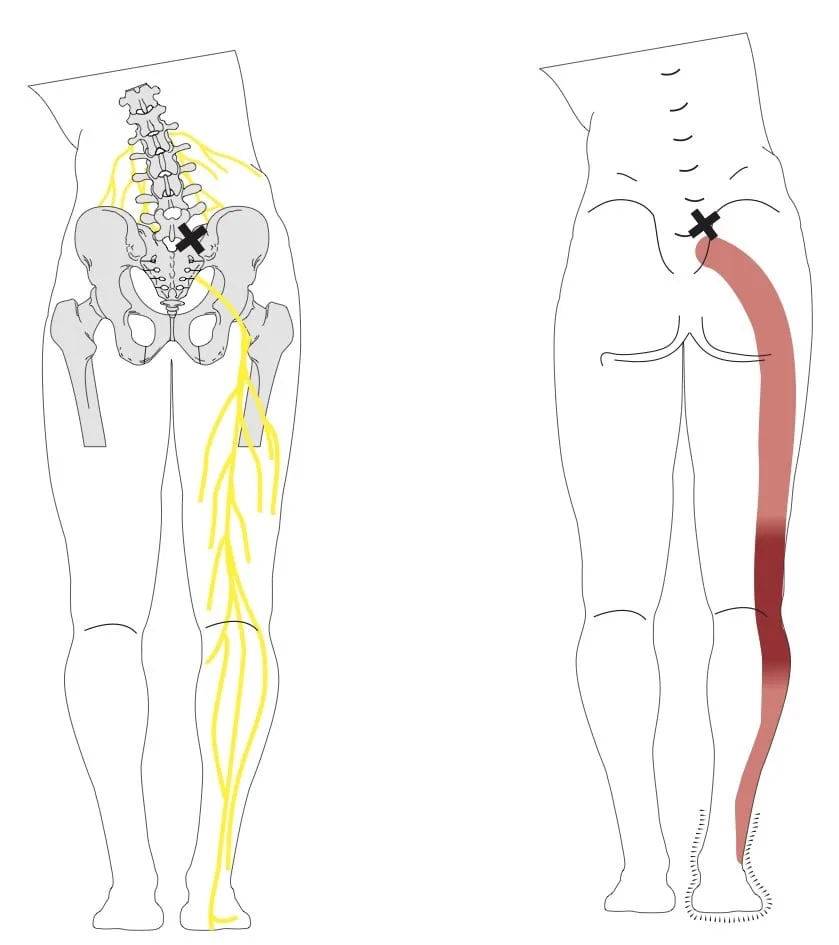
Sciatica is caused by compression or irritation of the sciatic nerve, typically from a herniated disc, spinal stenosis or facet joint problem. It causes pain, numbness or tingling that travels from the lower back through the buttock and down the leg, sometimes as far as the foot.
Our sciatica treatment programme is designed for patients with disc injuries, trapped nerves, nerve root compression, sciatica, spinal stenosis, facet joint pain and spondylosis. We have over 20 years of experience treating these conditions, including as one of the UK's leading providers of IDD spinal decompression therapy.
Is This Programme Right for You?
This programme is suitable if you are experiencing:
- Shooting or burning pain down the back of the leg (sciatica)
- Numbness or tingling in the leg or foot
- Weakness in the leg
- Back pain associated with a known or suspected disc bulge or herniation
- Symptoms of spinal stenosis (leg pain that worsens with walking)
- Previous treatment for sciatica that has not given lasting results
The Five-Step Treatment Programme

Comprehensive Clinical Examination
The programme begins with a detailed medical history and clinical assessment. This includes neurological and orthopaedic testing, spinal range of motion assessment, postural analysis and, where available, MRI review. For long-standing or complex symptoms, we typically recommend MRI to identify the precise source of nerve compression, including disc tears, facet joint changes, nerve canal narrowing and ligament thickening.
We can arrange rapid access to gold-standard MRI with expert radiological reports from leading UK radiologists where you do not already have imaging.
Manual Therapy
Early treatment focuses on releasing stiff spinal segments, tight muscles and restricted soft tissue. Deep tissue massage and joint mobilisation techniques reduce pain, improve movement and begin the process of normalising nerve function. Gentle, specific manual techniques are used, we do not use high-velocity manipulation where nerve compression is present unless clinically appropriate.
Trigger Point Release
Chronic muscle tension accompanying sciatica is addressed using trigger point dry needling (medical acupuncture) or acupressure massage. The piriformis, gluteal muscles and lumbar paraspinals are common sites of trigger points that can compound nerve compression and referred pain. Releasing these muscles often provides rapid relief and allows the spine to move more freely during subsequent treatment.
Advanced Electrotherapy and IDD Therapy
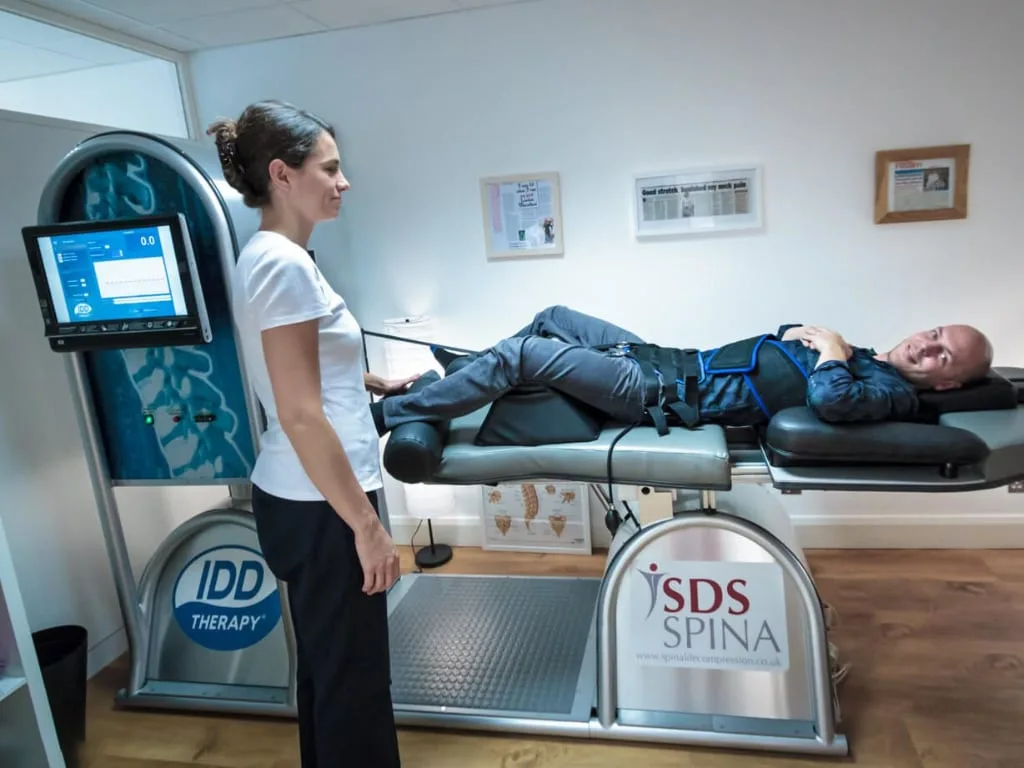
For disc-related sciatica and nerve root compression, IDD (Intervertebral Disc Decompression) therapy is our gold standard treatment. IDD uses precise computer-controlled traction forces to gently decompress specific spinal segments, reducing disc bulge, relieving nerve pressure and promoting disc rehydration and healing.
We are one of the UK's most experienced IDD providers, having introduced IDD therapy to Essex in 2011 as only the third clinic in the country to offer it. IDD therapy is available at our Chigwell and Woodford clinics.
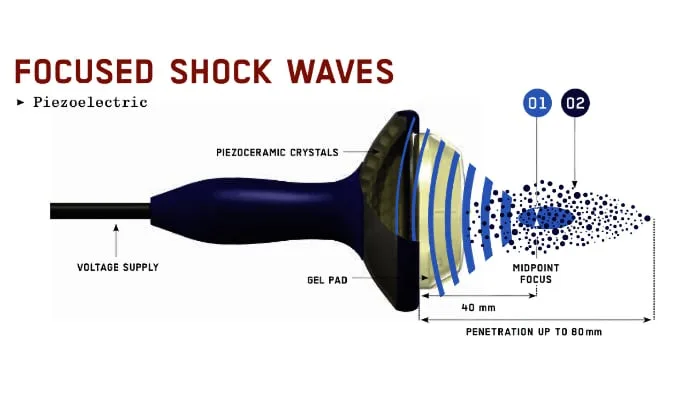
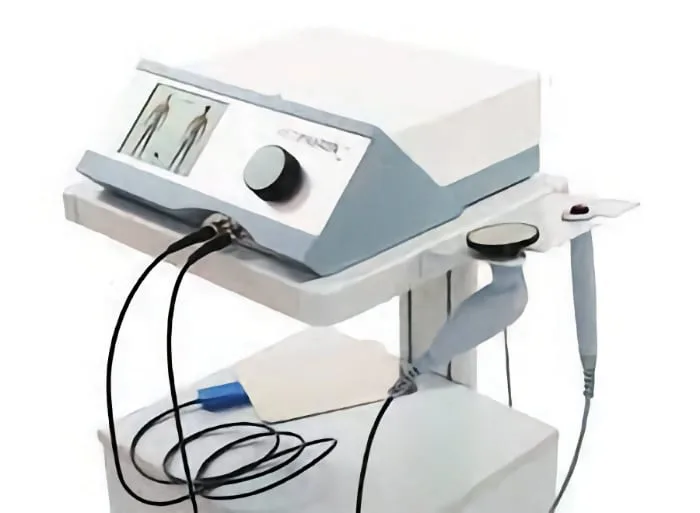
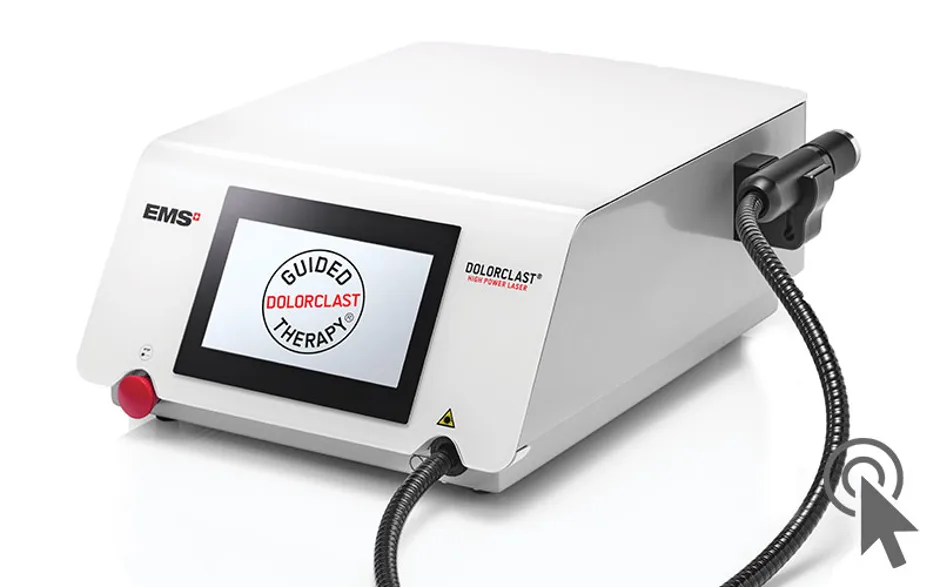
Depending on your clinical picture, we may also integrate Class IV laser therapy, TECAR therapy and focused or radial shockwave therapy to reduce nerve inflammation and promote tissue healing.
Rehabilitation Exercises
Structured stretching and strengthening exercises are introduced progressively as symptoms improve. The programme includes directional loading strategies specific to your disc injury pattern, core stabilisation exercises and postural correction to prevent recurrence. You receive a clear home exercise plan from your first appointment.
How Long Will Treatment Take?

Most patients with acute sciatica see significant improvement within 4 to 8 sessions. For longer-standing or more complex cases, a course of 10 to 20 sessions may be recommended, particularly where IDD therapy is indicated. Sessions are typically 2 to 4 times per week in the initial phase, reducing in frequency as you improve.
We will give you a realistic assessment of what to expect after your first appointment, including honest guidance on timescales and the likelihood of non-surgical resolution.
Book a sciatica assessment. Call 020 8506 1000 or book online. Open Mon–Fri 8am–8pm, Saturdays 9am–5pm.
Book Now