


Spine Plus Blog
TECAR Therapy and Spinal Stenosis
Published: 3 August 2022
By Robert Shanks, Co-Founding Director, Spine Plus Clinics
What Is Spinal Stenosis?
The spinal canal is the ring of bone of each vertebra through which the major nerve roots pass before branching into leg and foot nerves. Stenosis occurs when this area narrows due to bone thickening, ligament enlargement, or disc protrusion. Some people are born with congenitally narrow spinal canals, making them more susceptible to degenerative changes.
Symptoms
Stenosis can cause neurogenic claudication: compression and inflammation that prevents nerves from meeting their metabolic demands during activity. Symptoms include cramping, pain, heaviness, and weakness in the legs when walking. Relief typically comes from resting or leaning forward, but symptoms return after walking short distances. For many patients, this significantly limits daily activities and quality of life.
Why Standard Treatments Often Fall Short
Surgical decompression (laminectomy) removes the posterior arch to create more space for the nerves. While effective, it's major surgery that removes intrinsic muscles and ligaments, potentially causing future vertebral instability. Manual therapy and most electrotherapies have limited effectiveness because they cannot penetrate deeply enough to reach the spinal canal.
TECAR Therapy: Reaching Where Others Can't
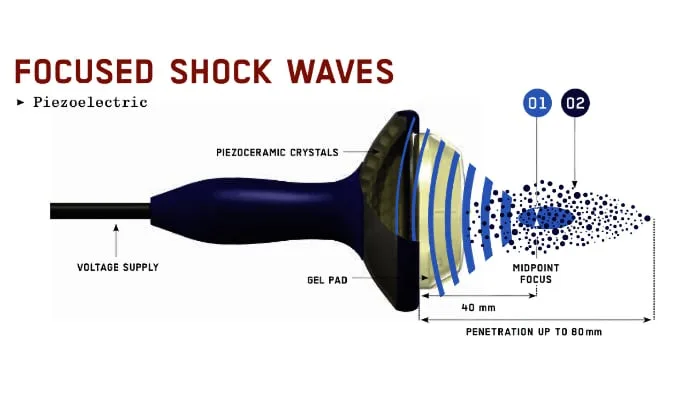
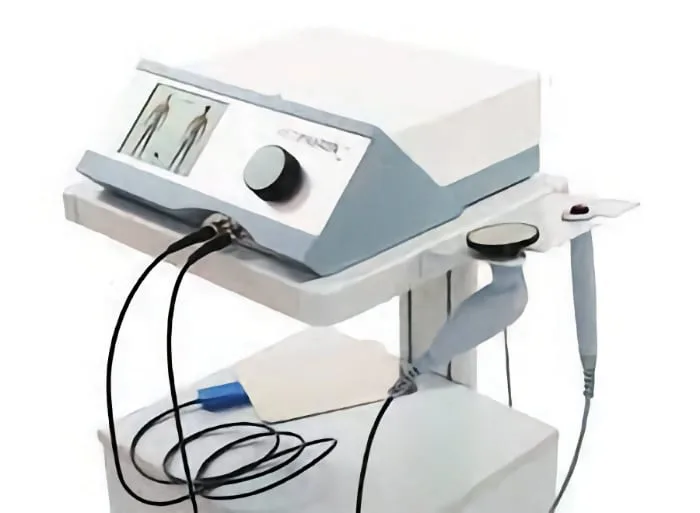
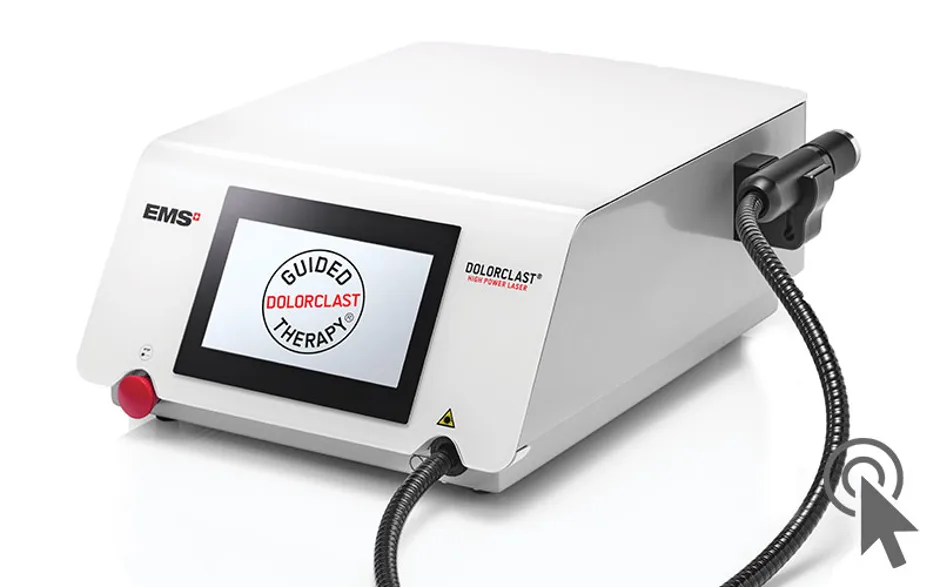
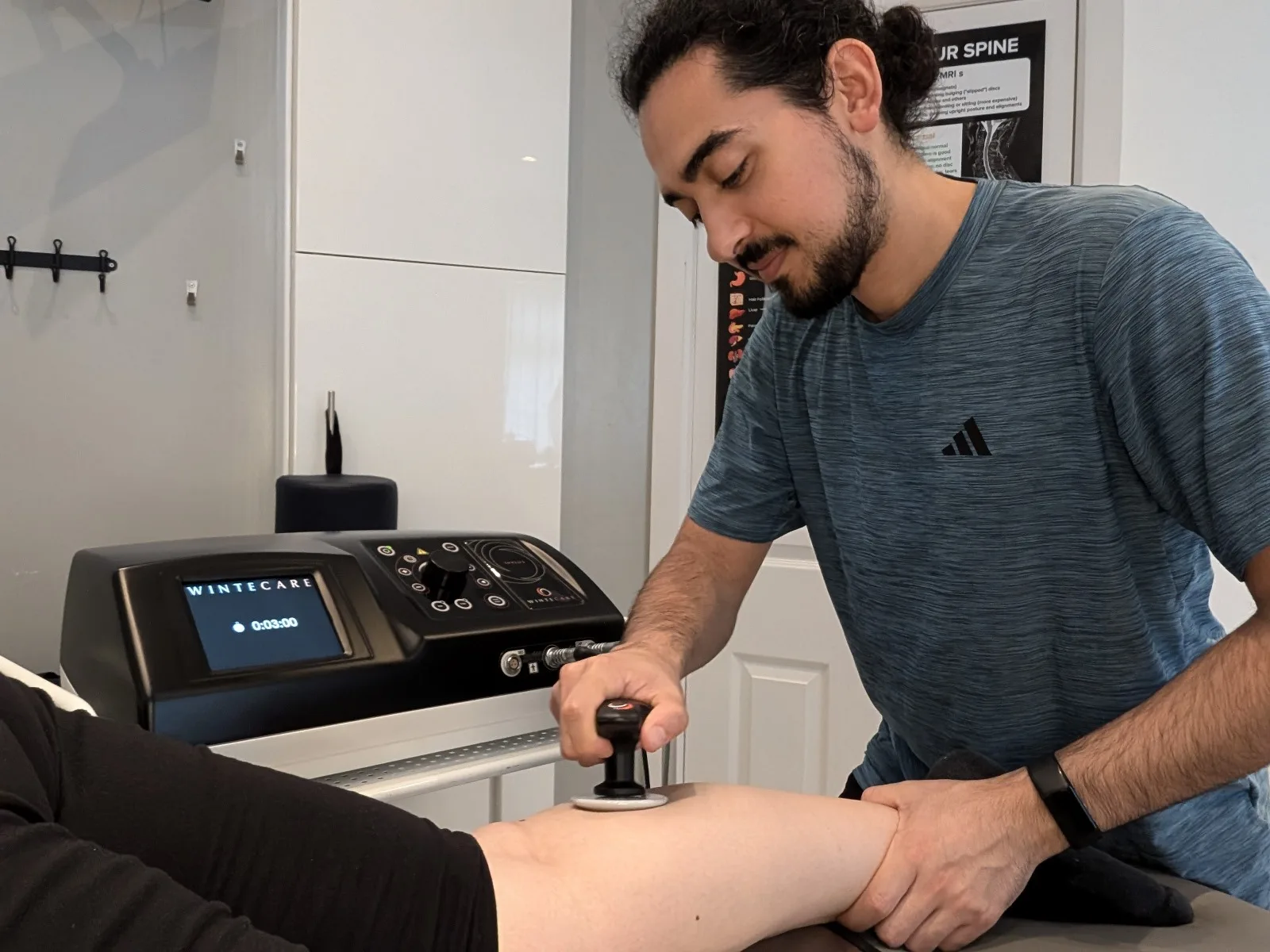
TECAR (Transfer of Energy Capacitive and Resistive) therapy uses radio-frequency electromagnetic current to generate therapeutic effects in deep tissues. Unlike laser, ultrasound, or shockwave therapy, TECAR can penetrate to the depth of the spinal canal itself.
This is significant. For stenosis, where the problem is deep within the spine, a treatment that can actually reach those structures has potential that surface-level therapies simply don't.
TECAR has a drainage effect that may influence cerebrospinal fluid stagnation around compressed nerve roots. Anecdotal case studies from our clinic report patients doubling their walking distance within several treatments, with monthly maintenance sessions helping to sustain the improvement.
Who May Benefit?
TECAR therapy may be appropriate for patients with:
- Mild to moderate spinal canal stenosis
- Spondylosis (degenerative spinal changes)
- Nerve root irritation from stenosis
- Cases where surgery is considered too risky or the patient wants to try conservative options first
Combined Approach
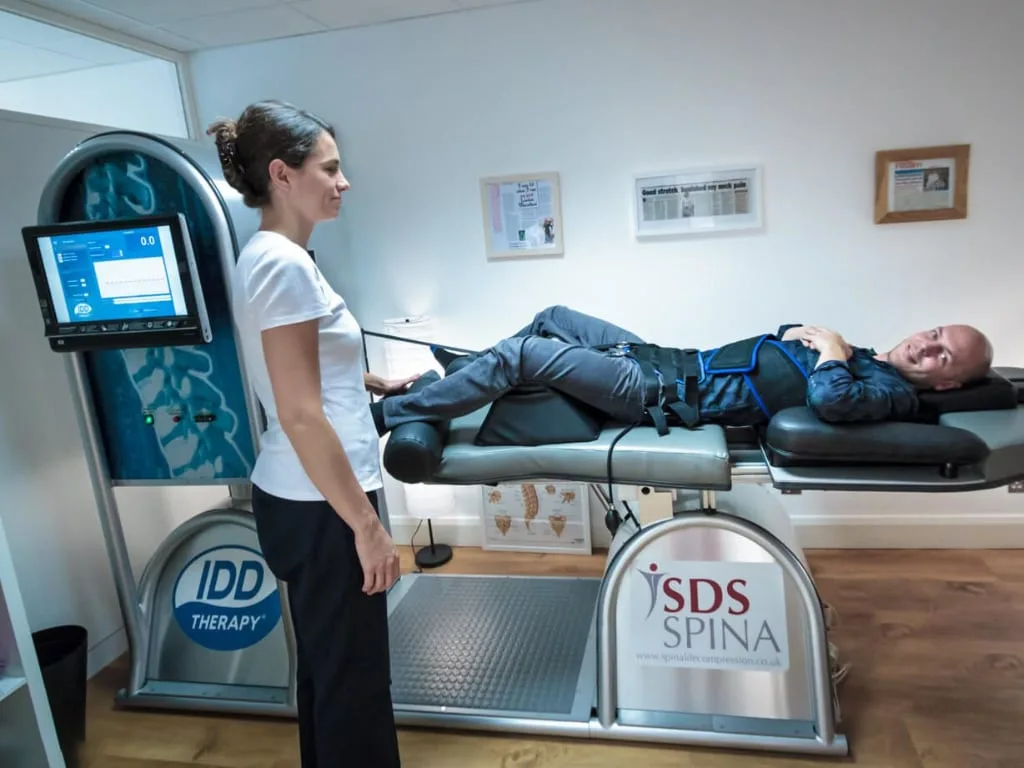
For disc-related stenosis, TECAR is often combined with IDD spinal decompression therapy. IDD addresses the disc component while TECAR manages the surrounding neural inflammation. This combined approach often yields better results than either treatment alone.
To find out whether TECAR therapy or IDD therapy may help your spinal stenosis, call us on 020 8506 1000.