


Spine Plus Blog
The Truth About Frozen Shoulders
Published: 4 January 2020

Many patients receive a frozen shoulder diagnosis from their GP for any severe arm or shoulder pain. This is often a catch-all term, and misuse of the diagnosis means some patients miss out on the right treatment for their actual condition.
Proper Diagnosis
True frozen shoulder (adhesive capsulitis) has four defining characteristics:
- Age: typically occurs around age 50, though trauma can cause earlier onset
- Loss of movement: progressive restriction, especially putting the hand behind the back
- Pain: severe, often disrupting sleep
- Imaging: ultrasound or X-ray to exclude rotator cuff tears and calcification
Without proper assessment, a rotator cuff tear or calcific tendinitis may be missed, both of which require different treatment approaches.
What Happens in Frozen Shoulder
Frozen shoulder results from inflammation of the shoulder capsule, the tissue surrounding the joint. As inflammation develops, the capsule thickens and contracts. The good news is that exercising a frozen shoulder does not cause damage to rotator cuff tendons or the joint, though movement may be painful.
The Three Phases
- Phase 1: Freezing (first 12 weeks): the most painful phase, with progressive stiffening
- Phase 2: Frozen (3 to 9 months): stiff but less painful
- Phase 3: Thawing (3 to 6 months): gradual movement improvement
Treatment
Phase 1: Ultrasound-guided corticosteroid injections provide the most effective relief, with over 80% of people experiencing significant pain reduction within a week. This is best combined with manual therapy to prevent capsule tightening during the injection's effectiveness window.
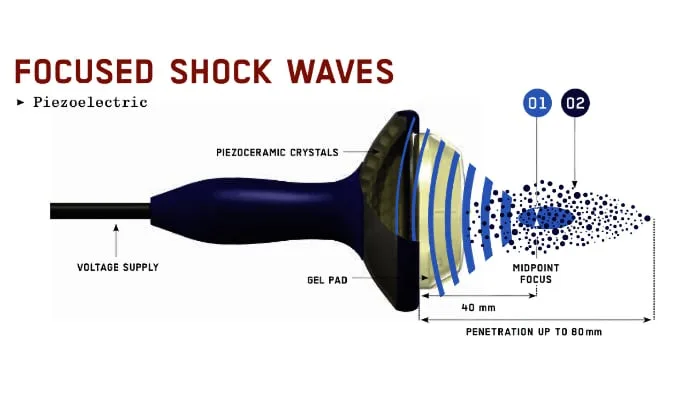
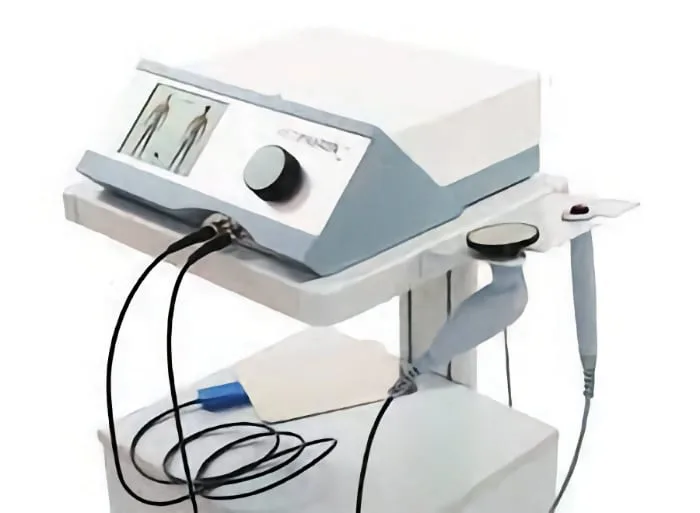
Phase 2: Physiotherapy stretching, deep tissue massage, manual therapy, and shockwave therapy address persistent stiffness and encourage capsule mobility.
Phase 3: Continued home exercises remain crucial. Full recovery can take up to 18 months, but with proper treatment the functional outcome is good.
Call us on 020 8506 1000 to discuss shoulder assessment and treatment.