

Spine Plus Blog
Wimbledon Elbow: Understanding and Treating Tennis (or Golfer's) Elbow
Published: 8 July 2024
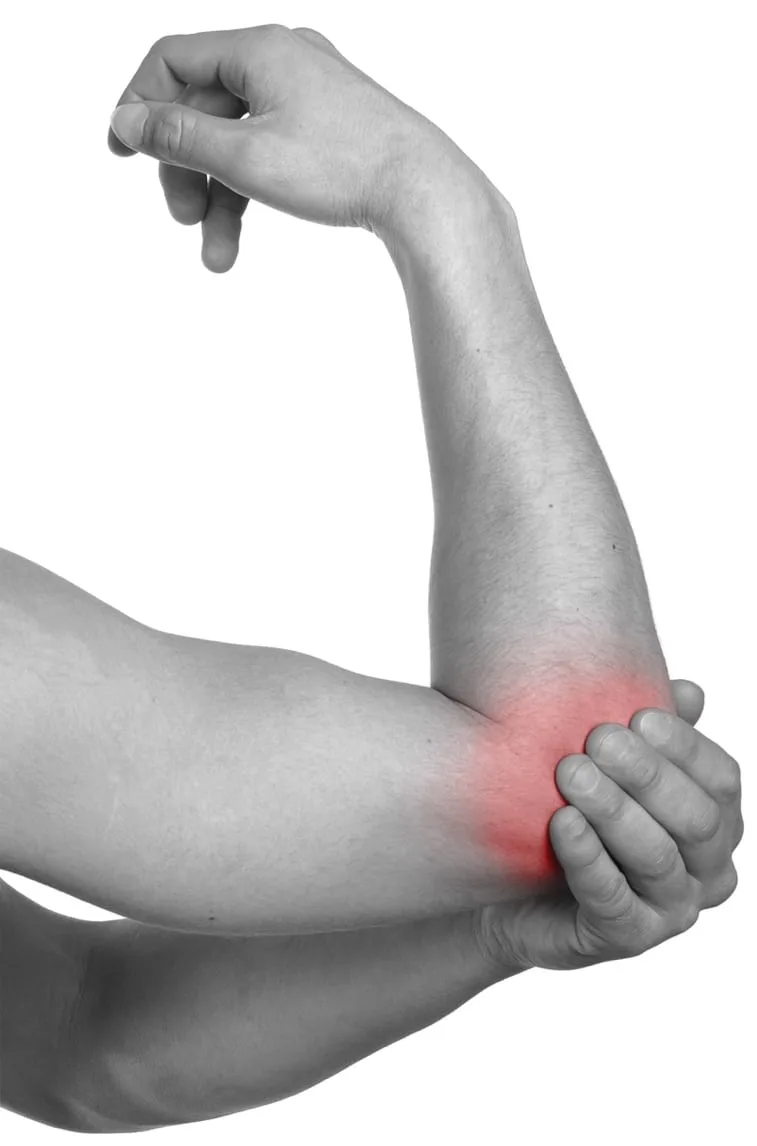
The elbow joint connects the upper arm (humerus) with the forearm (radius and ulna). This joint is critical for various movements, facilitated by tendons such as the triceps (for extending the arm) and the biceps (for bending the arm), as well as the flexor and extensor tendons which control wrist movements. When subjected to excessive strain, these tendons can stretch, partially tear, or in severe cases, rip entirely from the bone.
Understanding Lateral Epicondylitis
Damage to the extensor tendons of the elbow is commonly known as lateral epicondylitis or "tennis elbow." This condition is characterised by pain on the outside or inside of the elbow where the tendons attach to the bone. It can result from overuse, like playing numerous tennis sets in one day, or from direct impact. The injury is not limited to tennis players: activities like golf or repetitive motions such as washing windows can also trigger inflammation. This painful condition can take a long time to heal and significantly impact daily activities.
The Main Culprit: Extensor Carpi Radialis Brevis
The extensor carpi radialis brevis tendon is often the main tendon involved in tennis elbow. Tendons are composed of collagen fibres and specialised cells that produce essential molecules, growth factors, and other components to maintain tissue health. The collagen fibres form chemical bridges that allow the tendons to stretch and return to their original length. When a tendon is overstretched due to a tight grip on a tennis racket or repetitive strain, the fibres can develop micro- or macro-tears.
The Healing Process: When Things Go Wrong
Normally, small tears heal naturally. The body responds with increased blood flow, bringing progenitor cells to the injury site. These cells recruit macrophages to remove damaged fibres and initiate repair by laying down new collagen. When this works well, the tissue heals without scarring.
In tennis elbow, this repair process often fails. The tearing at the tendon's insertion point releases tension in the fibres, leading to uncontrolled degradation. If left unchecked, this can result in cell death and permanent tendon damage.
Treatment Strategies
Tennis elbow can either heal naturally or result in chronic pain and weakened scar tissue. Traditional treatments like cortisone injections reduce inflammation. Around 50% of people feel better for a few months. However, steroid injections don't stimulate healing and tend to do the opposite. By drastically reducing inflammation, they can weaken tissue, prolong complete recovery, and increase the risk of future injury due to weakened collagen fibres.
Alternative treatments include soft-tissue massage, which breaks down scar tissue and stimulates collagen production. Gentle exercises help new collagen fibres align correctly. Bracing the wrist to reduce tendon stretch can also help.
Options at Spine Plus
At Spine Plus we use the latest treatment technologies and evidence-based protocols:
Phase 1: 4 to 8 Sessions of Laser and Shockwave Therapy
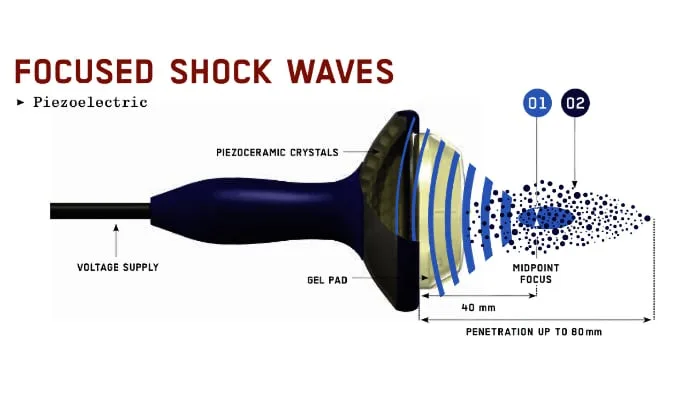
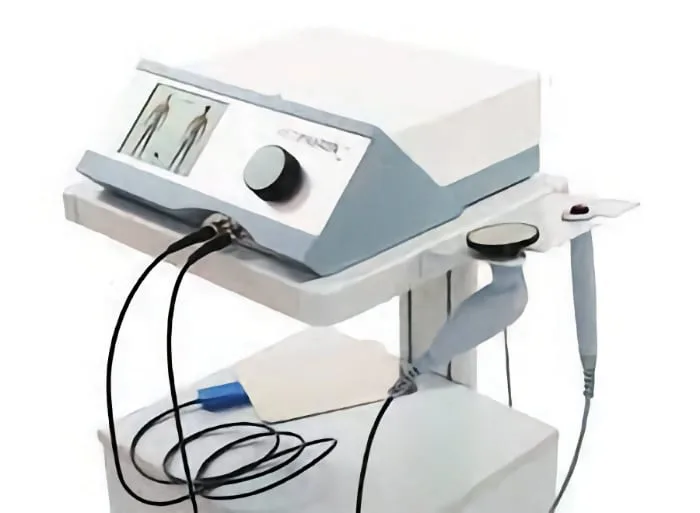
In contrast to steroid injections, shockwave therapy works to reduce neurogenic inflammation and at the same time stimulate growth factors (such as "lubricin" and "scleraxis") to stimulate healing and promote increased collagen strength and elasticity. The higher the pressure of the shock waves, the stronger the healing response.
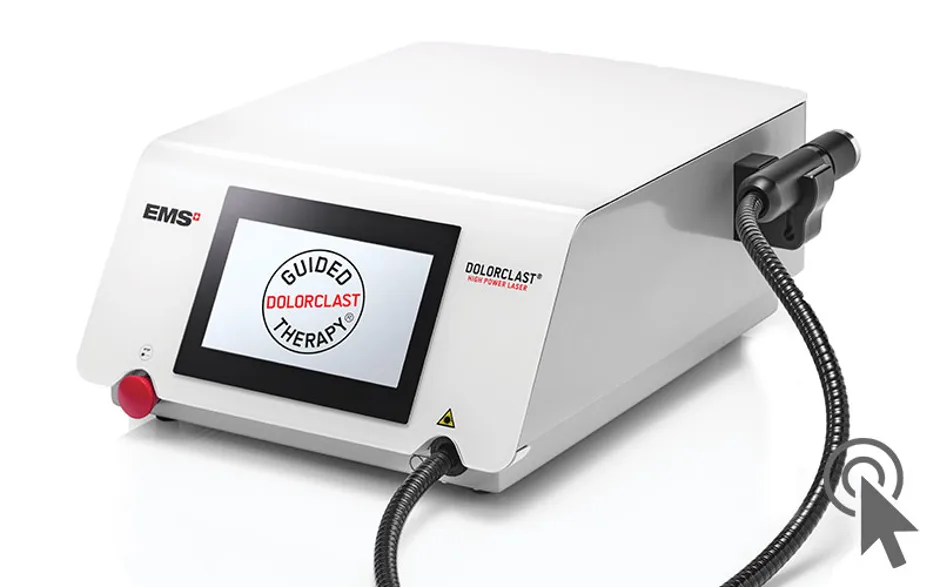
Fortunately, a five to ten minute dose of Class IV laser therapy followed by a 5-minute rest has been shown to produce a sufficient analgesic response to allow double the bar pressure of shockwaves compared to not receiving the laser. This means more effective treatment with better tolerance.
Phase 2: Gentle Exercises and Manual Therapy (3 Weeks)
Following a course of shockwave therapy, the body is kick-started into a new phase of healing. The positive effects of shockwave last for several weeks, with full effects not felt for 6 weeks or more. During this time, gentle exercises promote healthy tissue repair. Manual therapy such as massage and acupuncture can also relieve tight trigger points in associated muscles, reducing strain on the tendon.
Phase 3: Advanced Eccentric Loading (Weeks 3 to 6)
During the final 3 weeks of the 6-week post-shockwave period, more advanced strengthening exercises such as "eccentric loading" are necessary. This maximally stimulates the tenocytes within the tendons, responsible for laying down extra collagen.
Success Rate and Further Options
The regime above is effective in around 70% of cases. For those it doesn't work for, we encourage patients to try fenestrations using acupuncture or syringe needles, often combined with prolotherapy. This causes micro-trauma within the tissue, restarting the inflammatory reaction with the intention that the body will heal effectively. For really stubborn cases, surgery is the next step, and we would refer to one of the trusted orthopaedic surgeons we work with.
Conclusion
If not addressed promptly, tennis elbow can become a chronic and painful condition. Early and aggressive treatment to prevent tendon tissue death is essential. It's always easier to heal an injury than to revive dead tissue.