

Spine Plus Blog
What is Osteopathy?
Published: 10 July 2015
A Brief History
Osteopathy arrived in the United Kingdom from America following World War I, initially emphasising joint manipulation and massage for treating injuries. While American osteopathy integrated with mainstream medicine, UK osteopathy developed separately from hospital and NHS systems.
This changed in 2000 when osteopathy became a fully regulated profession in the UK, governed by the General Osteopathic Council. Training requirements became standardised at a level comparable to physiotherapy, with a 4-year undergraduate degree covering anatomy, physiology, pathology, and clinical practice.
What Does an Osteopath Do?
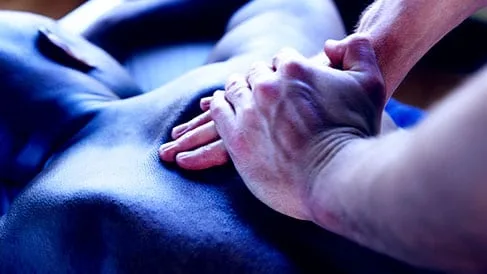
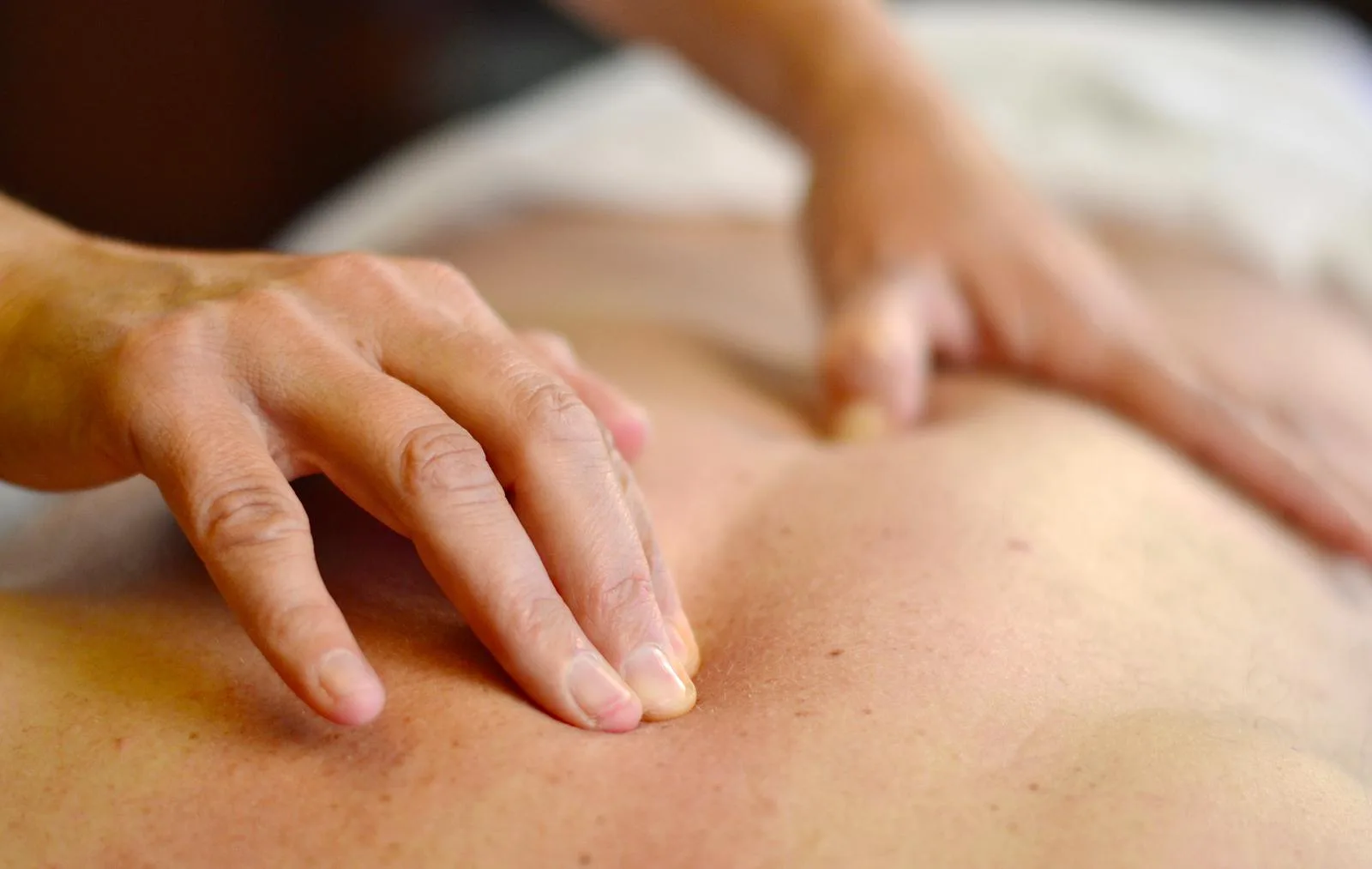
Osteopaths employ multiple assessment methods including postural analysis, palpation, and clinical orthopaedic testing. Treatment encompasses:
- Soft tissue massage and stretching to reduce muscle tension
- Joint mobilisation to improve alignment and mobility
- High-velocity manipulation (the "click" technique) where appropriate
- Exercise prescription for rehabilitation and prevention
- Lifestyle and postural advice
While osteopaths are most associated with back pain, neck pain, and sciatica, they provide treatment throughout the whole body.
Spine Plus Osteopaths
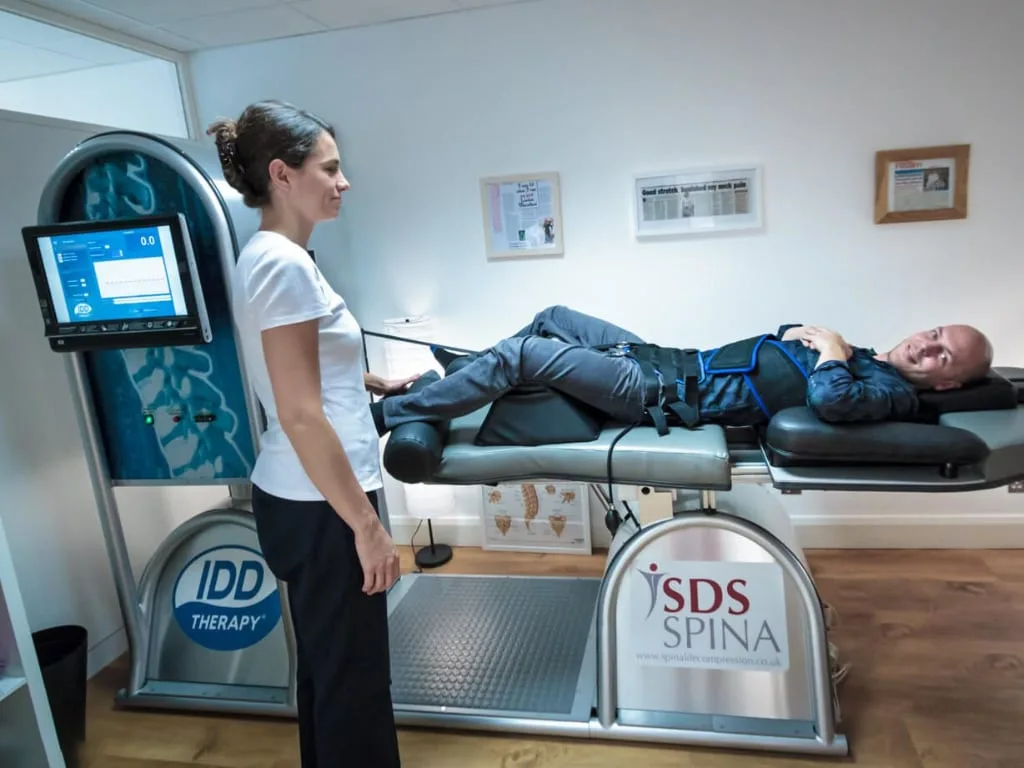
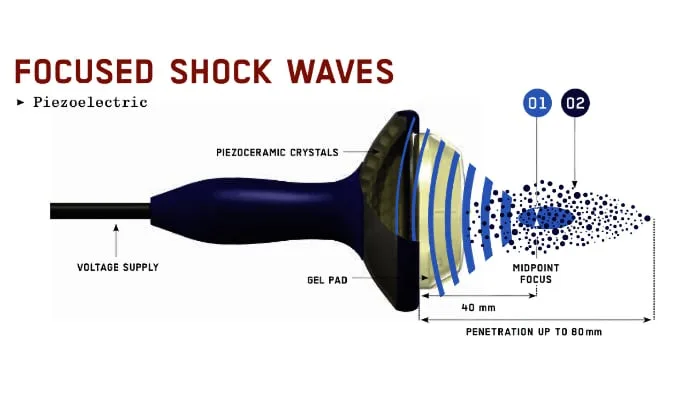
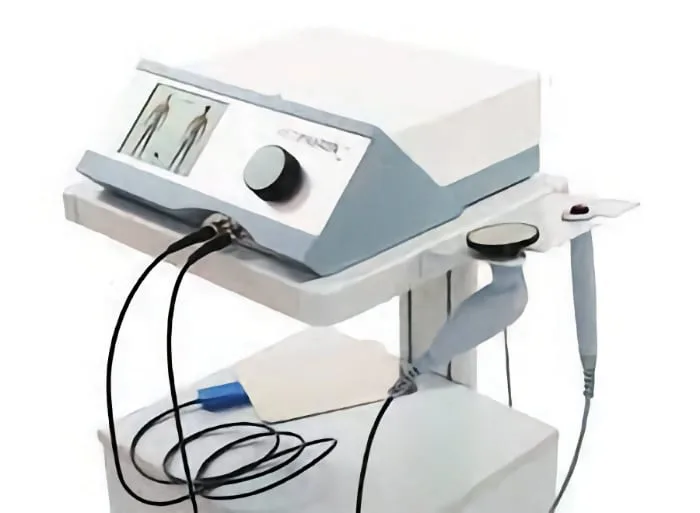
Our osteopaths augment traditional training with additional qualifications in medical acupuncture, clinical Pilates, spinal MRI interpretation, IDD spinal decompression, shockwave therapy, and TECAR therapy. This extended range of tools means we can treat complex spinal conditions that go beyond the scope of standard manual therapy.
Call us on 020 8506 1000 to book an assessment.